Senate Control Hinges on 13 Races as Polls Open
With Republicans holding 53 seats and Democrats needing a four-seat net gain, the outcome in thirteen competitive states will determine the balance of power in the upper chamber.
By Julia Novak ·
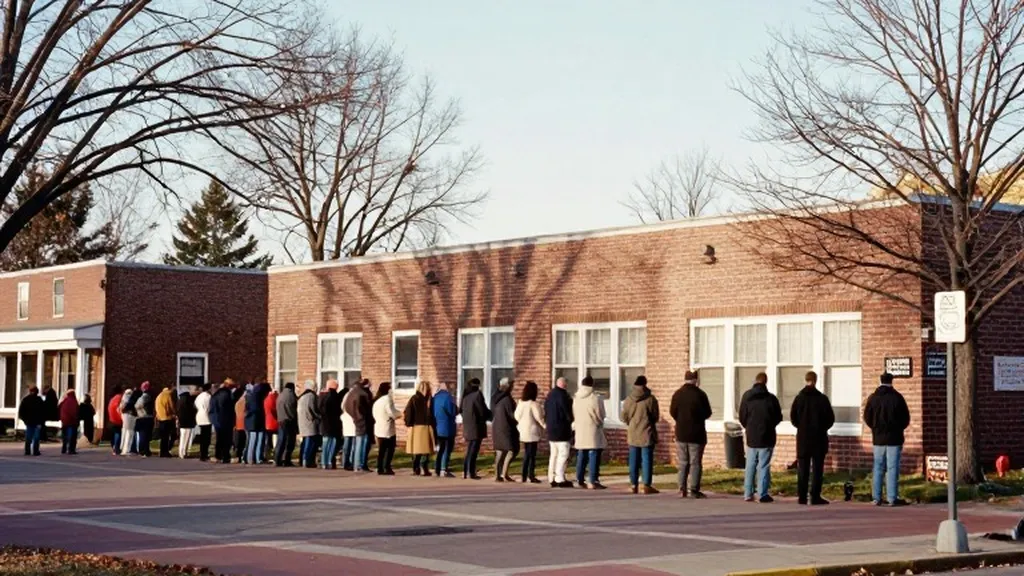
Election Day has arrived for the United States Senate, where voters in thirty-five states will decide the fate of thirty-five seats on Tuesday. This includes thirty-three regular elections and two special elections to fill the terms previously held by Marco Rubio and JD Vance. The current composition of the chamber sees Republicans holding fifty-three seats, while Democrats control forty-five, with two independents caucusing with the minority. This balance is critical for the final two years of President Donald Trump's second term, as it will dictate the legislative agenda and oversight capabilities of Congress.
The path to a majority is distinct for each party. Republicans can afford to lose no more than two seats to maintain their current control. In contrast, Democrats must achieve a net gain of four seats to seize the majority. This requirement makes the election a high-stakes contest in a limited number of jurisdictions. Eleven senators, including four Democrats and seven Republicans, are not seeking re-election, opening up competitive races in states that have historically leaned toward one party or the other.
Ballotpedia identifies thirteen specific Senate races as battlegrounds where the outcome is uncertain. These include contests in Alaska, Florida, Georgia, Iowa, Kansas, Maine, Michigan, Montana, Nebraska, New Hampshire, North Carolina, Ohio, and Texas. The political landscape in these states varies widely, with some having large margins for the 2024 presidential winner and others being nearly even. For instance, Alaska and Nebraska saw Donald Trump win by more than twelve points, yet both remain competitive due to the specific dynamics of the Senate race.
Ratings from major organizations as of October 27 provide a snapshot of the current landscape. Maine is considered a toss-up by all four major rating services. Iowa and Kansas are viewed as toss-ups or leaning Republican, while Alaska and Michigan are seen as toss-ups or leaning Democratic. Georgia is rated as leaning or likely Democratic. These ratings reflect the tight margins in these states and the significant resources being deployed by both parties to influence the outcome.
In North Carolina, the race between Democratic former Governor Roy Cooper and former Republican National Committee chair Michael Whatley is a focal point. Whatley is challenging Thom Tillis, who retired after clashing with President Trump. In Georgia, Senator Jon Ossoff faces Republican Representative Mike Collins. The AP notes that these matchups are central to the fight for control, with both parties fielding experienced candidates. The outcome in these states will likely signal the broader direction of the Senate race.
Ohio presents a special election scenario where Democratic former Senator Sherrod Brown challenges incumbent Republican Senator Jon Husted. In Michigan, the contest is between Republican former Representative Mike Rogers and Democrat Abdul El-Sayed. Notably, El-Sayed's former primary opponent, Haley Stevens, endorsed Rogers on Sunday, a move that could impact the final stretch of the campaign. In Texas, Republican Attorney General Ken Paxton, whom Trump backed over incumbent John Cornyn, faces Democrat James Talarico.
Maine offers a unique test case as a state where economic strain and tariffs have increased competitiveness. Senator Susan Collins faces Democratic former state Senate President Troy Jackson. The AP highlights that the state's economic concerns are driving voter interest in this race. In New Hampshire, Democratic Representative Chris Pappas challenges former Republican Senator John E. Sununu for the seat vacated by retiring Senator Jeanne Shaheen. These races illustrate the complexity of the 2026 Senate landscape, where incumbency advantage is not guaranteed.
The AP describes the election as a referendum on President Trump's second term, with voters grappling with high prices and an unpopular war with Iran. Polling from AP-NORC indicates that 35% of U.S. Adults approve of Trump's job performance, while 25% approve of his handling of the economy. Approximately seven in ten Americans say the country is heading in the wrong direction, with most blaming the president for rising costs. This sentiment is influencing voter decisions in the thirteen battleground states, where economic issues are paramount.
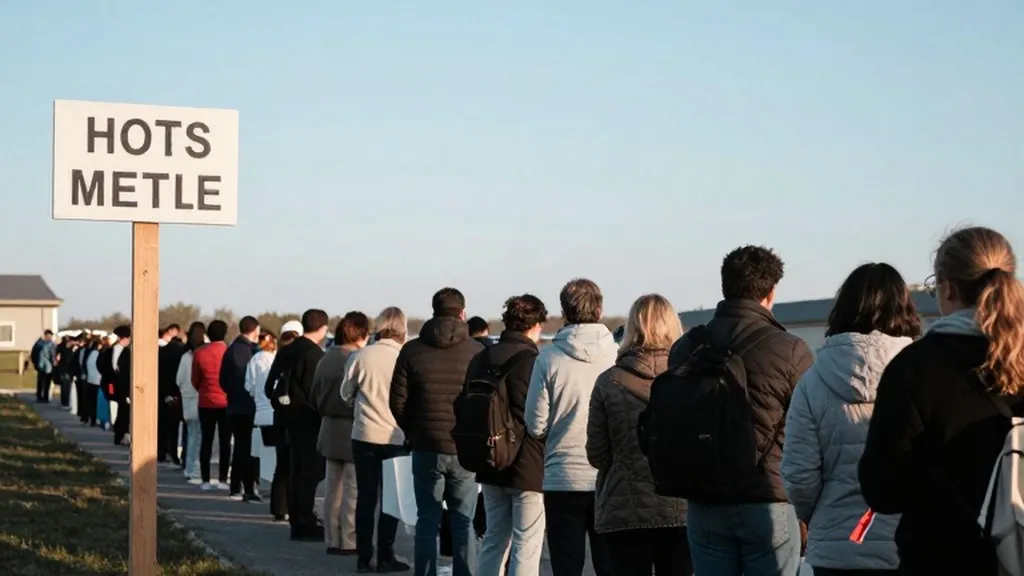
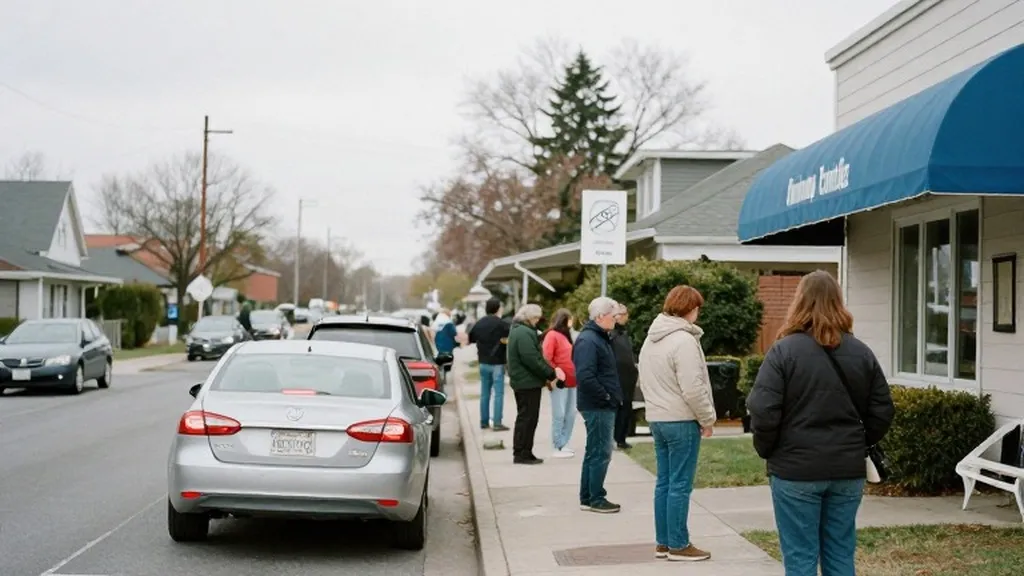
More than 57 million people had already voted as of Monday, surpassing early vote totals from four years ago in many closely watched states. This high level of early participation suggests that turnout will be a decisive factor. Republicans are bracing for potential losses in the House but are fighting to hold the Senate, with the AP noting that one or two seats could tip the balance in either chamber. Democrats, meanwhile, are described as cautiously optimistic about their chances to gain control.
The administration has been actively involved in the election process, with Trump holding dozens of rallies, including one in Salina, Kansas, where he urged voters to pretend he was on the ballot. His schedule included stops in Mississippi, South Carolina, and Texas, though many Republican candidates maintained some distance. The administration has also filed lawsuits in Alaska and California regarding voting procedures, with a federal judge temporarily barring a plan to prevent noncitizen voting. These legal actions have raised concerns among Democrats about potential interference in the certification process.
The financial scale of this election is unprecedented, with 2026 likely to be the most expensive in history. Republican committees have outraised and outspent their Democratic counterparts, aided by Trump-affiliated groups and Elon Musk. However, at the candidate level, Democrats have outraised their opponents. 88.1% of Republican general election TV ad spending went to states and districts Trump won in 2024. This spending strategy reflects the Republican focus on defending their base while attempting to expand their hold on the Senate.