36 Governor Races: The 18-18 Split and 19 Open Seats
With 19 governorships lacking incumbents and nine states identified as battlegrounds, voters decide the balance of state power in a closely watched midterms.
By Julia Novak ·

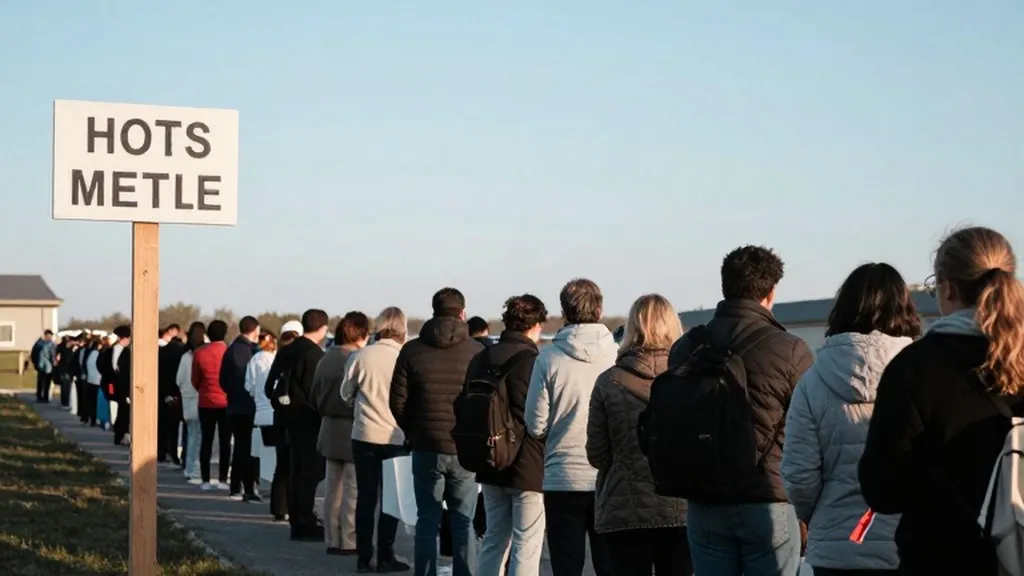
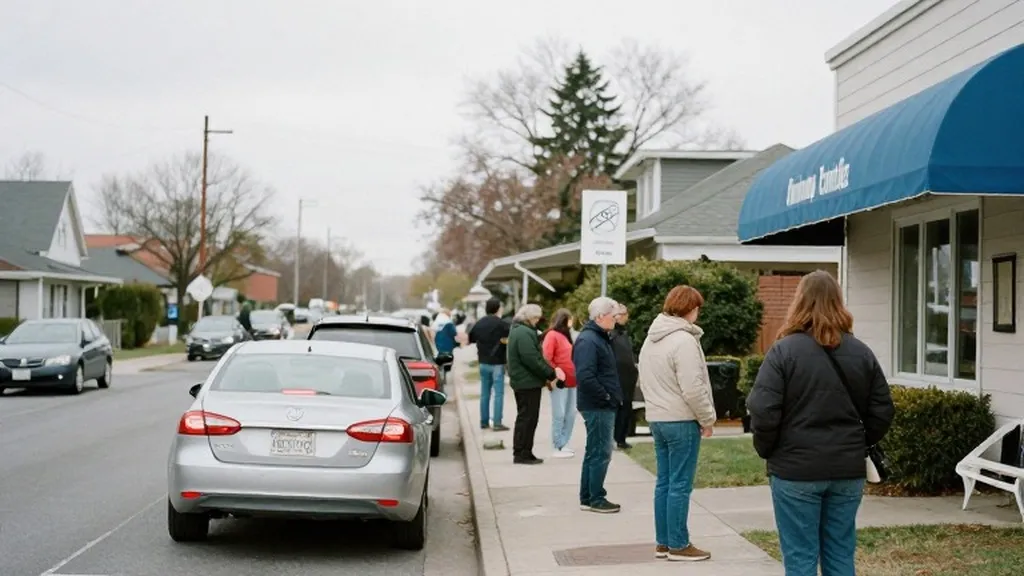
Voters across the United States are casting ballots on Tuesday, November 3, 2026, for 36 governorships. The Associated Press and Ballotpedia report that the races feature a precise 18 to 18 split between the parties currently holding the offices. This numerical balance sets the stage for a potential shift in statewide power, as Democrats seek to gain a majority of governorships for the first time since 2010. Republicans have held this nationwide advantage for over a decade, making the current equilibrium a critical focal point for both parties.
The landscape of these gubernatorial contests is heavily influenced by the absence of sitting governors. Ballotpedia identifies 19 of the 36 races as having no incumbent on the ballot. Fifteen governors are term-limited and must step down, creating open seats in their respective states. Additionally, three sitting governors chose not to seek another term: Kim Reynolds of Iowa, Tim Walz of Minnesota, and Tony Evers of Wisconsin. In Rhode Island, Democrat Daniel McKee lost his primary challenge, further adding to the list of open seats. These vacancies allow challengers from both parties to frame their campaigns without the anchor of an incumbent’s record.
Nine states are designated as battlegrounds for the governor’s office. These states include Alaska, Arizona, Georgia, Iowa, Kansas, Michigan, Nevada, Ohio, and Wisconsin. In these locations, the margin of victory is expected to be narrow, with campaigns spending heavily to sway undecided voters. The Associated Press has highlighted specific matchups in several of these competitive races. In Georgia, Republican health care executive Rick Jackson faces Democratic former Atlanta Mayor Keisha Lance Bottoms. This contest will determine the next governor to succeed Brian Kemp.
In Nevada, Republican Governor Joe Lombardo is running for re-election against Democratic Attorney General Aaron Ford. The Associated Press notes that the race is competitive, with both candidates focusing on economic issues and cost of living. In Ohio, Republican Vivek Ramaswamy is competing against Democrat Amy Acton. Ramaswamy’s campaign recently faced public scrutiny after airing an advertisement featuring Acton’s estranged mother, a move that generated significant attention in the state. The outcome in Ohio is seen as a key indicator of the broader national mood.
Democrats are defending five governorships in states that Donald Trump won in the 2024 presidential election. These states are Arizona, Kansas, Michigan, Pennsylvania, and Wisconsin. Katie Hobbs is running for re-election in Arizona, while Josh Shapiro is seeking another term in Pennsylvania. The Associated Press reports that Democrats hope to hold these seats to maintain a foothold in states that trended Republican in the last presidential cycle. Conversely, Republicans are defending two governorships in states that Kamala Harris won in 2024: New Hampshire and Vermont. Kelly Ayotte is running in New Hampshire, and Phil Scott is seeking re-election in Vermont.
The Associated Press describes the election as a referendum on President Trump’s second term, with voters expressing concerns about high prices and an unpopular war with Iran. Polling conducted by the AP and NORC shows that 35 percent of U.S. Adults approve of Trump’s job performance, while only 25 percent approve of his handling of the economy. Approximately seven in ten adults say the country is heading in the wrong direction. These national sentiments are filtering down into the governor races, where candidates from both parties are emphasizing their approaches to economic stability and state management.
Money plays a significant role in these contests, as the 2026 elections are likely to be the most expensive in history. The Associated Press reports that Republican committees outraised and outspent their Democratic counterparts, aided by Trump-affiliated groups and Elon Musk. However, at the candidate level, Democrats outraised their opponents. Analysis of AdImpact data indicates that 88.1 percent of Republican general election TV ad spending went to states and districts that Trump won in 2024. This strategic allocation of funds suggests that Republicans are focusing on consolidating their base in areas where they have strong support.
RNC Chairman Joe Gruters stated that everything depends on turnout, asserting that if Republicans mobilize their voters, they will win. In contrast, DCCC Chair Representative Suzan DelBene said the American people are angry and want change. Voter sentiment on the ground reflects these competing narratives. Mark Barker of Palm Beach Gardens, Florida, said that he has been following Trump and believes he is doing an awesome job. James Moore, a 57-year-old librarian in Raleigh, North Carolina, said he is paying more for taxes, healthcare, and everything else, highlighting the economic pressures driving voter decisions.
The administration has also been involved in legal actions related to election integrity. The Trump administration filed a lawsuit in Alaska related to the certification of the Senate result, though this specific action is part of a broader legal strategy. Critics argue that such moves risk disenfranchising eligible voters, while supporters say they ensure election accuracy. The Postal Service has added hours and staff to ensure mail ballots are counted on time, a crucial step for states that rely heavily on mail-in voting. These administrative measures are part of the broader effort to facilitate a smooth election day.
As polls open across the country, the 36 governor races represent a pivotal moment for state-level leadership. The 19 open seats and nine battlegrounds create a complex landscape where small shifts in voter turnout or opinion could tip the balance. The Associated Press notes that one or two seats could tip the control of the chambers of Congress, and similar dynamics apply to the governorships. With 18 seats held by each party, the outcome of these races will determine which party holds a majority of state executives for the next term.