Voters Weigh High Prices and Tariffs as Midterm Stakes Rise
AP-NORC polling shows economic concerns leading voter priorities, while candidates in key states face a divided electorate on the cost of living.
By Jessica Abebe ·
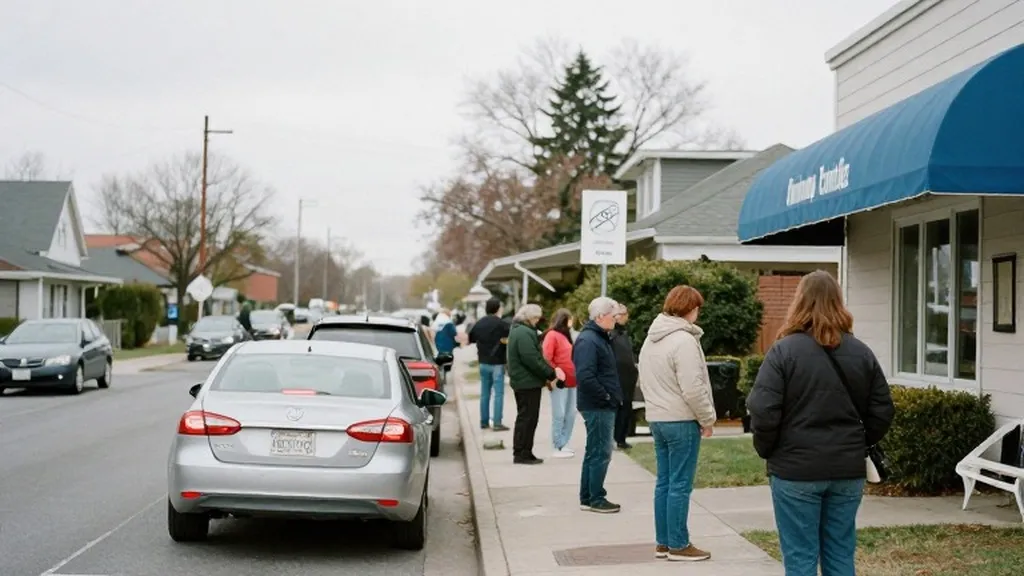
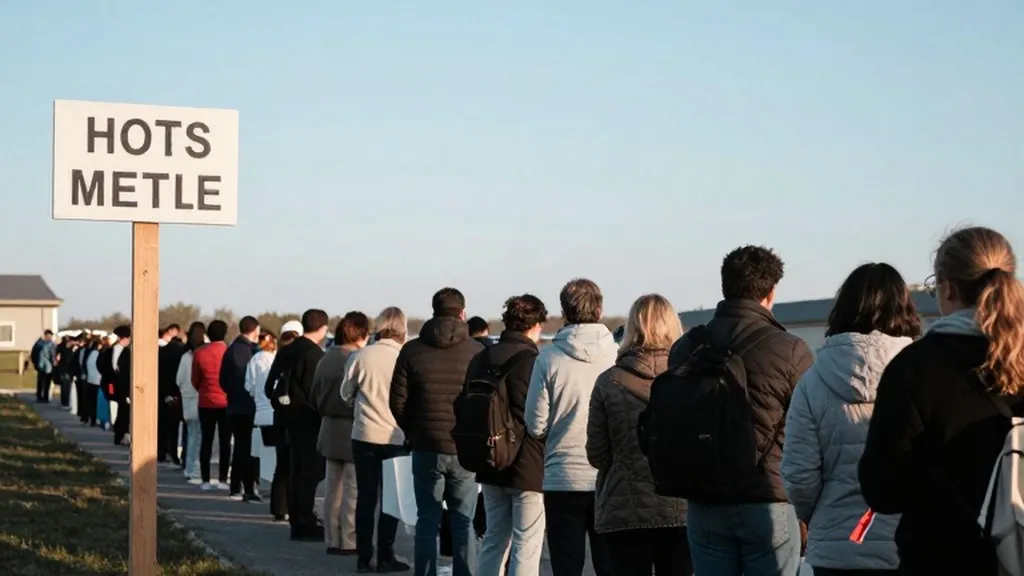
Voters across the United States cast their ballots on Election Day, November 3, 2026, to determine which party controls Congress for the final two years of President Donald Trump's second term. The Associated Press describes the election as a referendum on the current administration, with many citizens citing high prices and an unpopular war with Iran as primary motivators. More than 57 million people had already voted as of Monday, surpassing early voting numbers from the previous midterm cycle in many closely watched states.
35% of U.S. Adults approve of Trump's job performance, while only 25% approve of his handling of the economy. Approximately seven in ten Americans say the country is heading in the wrong direction, with most blaming the president for rising costs. These figures highlight a significant challenge for the Republican Party, which is bracing for the possibility of losing the House while fighting to retain the Senate. The Associated Press notes that one or two seats could tip either chamber, making the economic mood a critical factor in the final outcome.
In Raleigh, North Carolina, the impact of these economic trends is palpable among local voters. James Moore, a 57-year-old librarian, expressed frustration with the current financial landscape. He stated, "I'm paying more taxes. I'm paying more for my healthcare. I'm paying more for everything." Moore's sentiments reflect the concerns of many in North Carolina, a state using new congressional maps and facing a competitive Senate race. The Associated Press identifies economic strain and tariffs as key drivers in the state's political dynamics.
Conversely, in Palm Beach Gardens, Florida, some voters remain supportive of the administration's direction. Mark Barker, a voter in the area, said, "I've just been following Trump the whole time. I really think he's doing an awesome job." Florida is one of several states using new congressional maps after mid-decade redistricting, which could alter the balance of power in the House. The state also faces a competitive Senate race, with Republican Ashley Moody running in a special election to fill the seat previously held by Marco Rubio.
Tariffs have emerged as a central economic issue, particularly in states like Maine, where the Associated Press says economic strain has made the race for Senate seat of Susan Collins competitive. The Democratic challenger, former state Senate President Troy Jackson, is facing the incumbent in a state that voted for Kamala Harris in 2024. The AP notes that voters in Maine are weighing the costs of trade policies against the benefits of the current administration's economic strategies. This race is rated as a toss-up by major political forecasters, adding to the uncertainty of the Senate's composition.
National party leaders are emphasizing turnout as a decisive factor. RNC Chairman Joe Gruters stated, "Everything depends on turnout. If we turn out our voters, we win, and that's what we've been planning for." In response, DCCC Chair Rep. Suzan DelBene said, "The American people are angry. They want change." The Democratic Party is cautiously optimistic, hoping that economic dissatisfaction will translate into a net gain of three House districts and four Senate seats. Republicans can afford to lose no more than two House seats and two Senate seats to maintain their current majorities.
The financial stakes of the election are also significant for the markets. Reuters reports that Wall Street is watching the results not only for control of Congress but also for implications regarding AI spending and debt ceiling negotiations. If Democrats win even one chamber, investigations and possible impeachment proceedings become likely, which could introduce further volatility into the economic landscape. House Democratic Leader Hakeem Jeffries, who would become the first Black speaker if Democrats take the House, has outlined a 100-day agenda focused on the cost of living and oversight.
In the House, all 435 seats are up for election. Democrats need a net gain of three districts to secure a majority, while Republicans can lose no more than two. Ballotpedia counts 46 battleground districts, with 25 held by Democrats and 21 by Republicans. The new congressional maps in states like California, Florida, Missouri, North Carolina, Tennessee, and Texas may influence the outcome, as these districts were drawn with the expectation that they might not vote as originally predicted. The administration has also faced legal challenges, including a federal judge temporarily barring a plan to prevent noncitizen voting, which critics say could disenfranchise eligible voters.
Governor races in 36 states are also on the ballot, with each party holding 18 of the contested offices. Democrats would need a net gain of two governorships to achieve a nationwide majority, which Republicans have held since 2010. Key races include Georgia, where Republican Rick Jackson faces Democratic former Atlanta Mayor Keisha Lance Bottoms, and Ohio, where Republican Vivek Ramaswamy competes against Democrat Amy Acton. The Associated Press notes that the AP-NORC poll shows a significant portion of voters are dissatisfied with the direction of the country, a sentiment that is likely to influence these local contests as well.
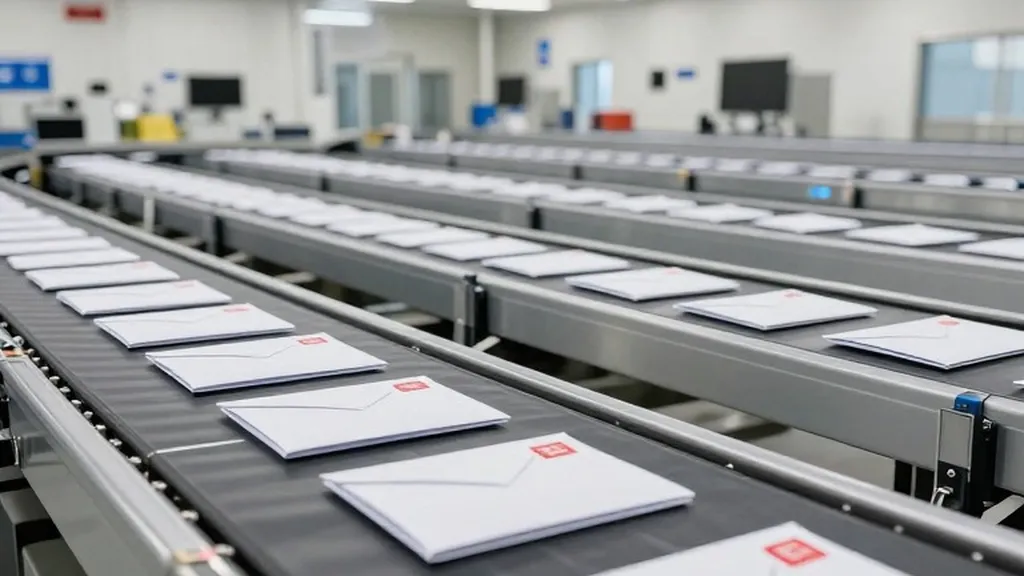
As polls close in states like North Carolina, where voting ends at 7:30 p.m. Local time, and Florida, which closes at 7 p.m., the focus remains on how economic concerns will shape the final tally. The Postal Service has added hours and staff to ensure mail ballots are counted on time, a logistical effort that underscores the scale of this election. With the economy as the top issue for many voters, the results will provide a clear signal on how the American public views the current administration's handling of prices, tariffs, and the broader fiscal environment.