Courts halt Trump admin voting plans as Postal Service ramps up
Federal judges blocked measures regarding noncitizen ballots in two states while the USPS added resources to ensure timely mail-in vote counting.
By Nadia Singh ·

The legal landscape surrounding the 2026 midterm elections became significantly more defined on Monday when federal courts intervened in two separate disputes involving the Trump administration and state election officials. These rulings arrived just hours before polls opened, setting the stage for a contest where procedural battles in the courts are as watched as the races on the ballot. The interventions highlight the ongoing tension between federal executive power and state authority over the administration of elections, a conflict that has intensified since the administration began asserting broader oversight of voting procedures.
A federal judge issued a temporary bar on Monday against the Trump administration's plan to prevent noncitizen voting. The administration stated that the measure was designed to ensure only eligible citizens cast ballots. Critics of the plan, including voting rights advocates and state officials, argued that the implementation risks disenfranchising eligible voters and infringes on the traditional authority of states to manage their own elections. The judge's order pauses the specific enforcement mechanisms the department had prepared, allowing the status quo of state-run roll checks to remain in place for the day's voting.
In a parallel development in California, a judge ordered the administration to stop demanding that election officials segregate ballots cast by individuals on lists of suspected noncitizens. The administration had sought to have these specific ballots set aside for manual review, a process that would delay the counting of votes in certain jurisdictions. The court's intervention means that California officials can proceed with their standard counting protocols without the federal requirement to physically separate these ballots. This ruling is significant given that California is largely a mail-voting state, where the timing of ballot processing is critical to the final tally.
The administration had filed lawsuits in both Alaska and California related to these voting measures, part of a broader legal strategy to assert federal influence over election integrity. In Alaska, the Trump administration filed a lawsuit related to the certification of the Senate result, adding another layer of legal complexity to a race that is considered a toss-up or leans Democratic by several polling organizations. The administration's actions have led some Democrats to express concern about potential interference and intimidation, particularly as the Justice Department has threatened to prosecute local election officials in certain instances.
While legal battles dominate the headlines, the U.S. Postal Service has taken concrete steps to ensure that the logistics of voting proceed smoothly. The Postal Service added extra hours, increased staffing levels, and established special lines to handle the volume of mail ballots. These measures are designed to guarantee that mail-in votes are counted on time, a critical factor in states where the majority of voters cast their ballots by mail. The agency's proactive approach aims to prevent the postal delays that have historically complicated the counting process in closely contested races.
The current election is a referendum on President Trump's second term, with voters grappling with high prices and expressing anger over an unpopular war with Iran. 35 percent of U.S. Adults approve of the president's job performance, while 25 percent approve of his handling of the economy. About seven in ten adults say the country is heading in the wrong direction, with most blaming the president for the rise in consumer prices. This sentiment is driving voter turnout, with more than 57 million people having already voted as of Monday, surpassing the early vote totals from four years ago in many closely watched states.
Republicans are bracing for the possibility of losing the House, where Democrats need a net gain of three districts to secure a majority. The party is fighting to hold the Senate, where Democrats need a net gain of four seats. The AP notes that one or two seats could tip the balance in either chamber, making the battleground states in the Senate particularly critical. Democrats, meanwhile, are described as cautiously optimistic, pointing to the high early vote turnout and the public's frustration with economic conditions. The stakes are high, as a Democratic victory in even one chamber would likely lead to investigations and possible impeachment proceedings.
The financial side of the election is also unprecedented, with the 2026 cycle likely to be the most expensive in history. Republican committees have outraised and outspent their Democratic counterparts, aided by Trump-affiliated groups and billionaire Elon Musk. However, at the candidate level, Democrats have managed to outraise their opponents. An analysis of AdImpact data shows that 88.1 percent of Republican general election TV ad spending went to states and districts that Trump won in 2024, including more than $850 million in areas where he won by 10 points or more. This spending strategy reflects the Republican focus on defending their gains in areas where the president has strong support.
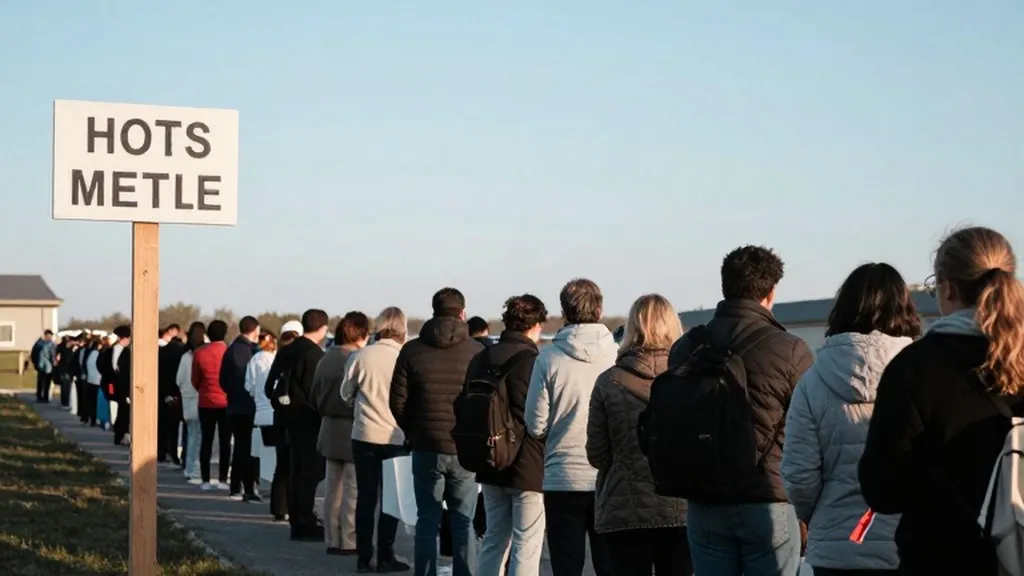
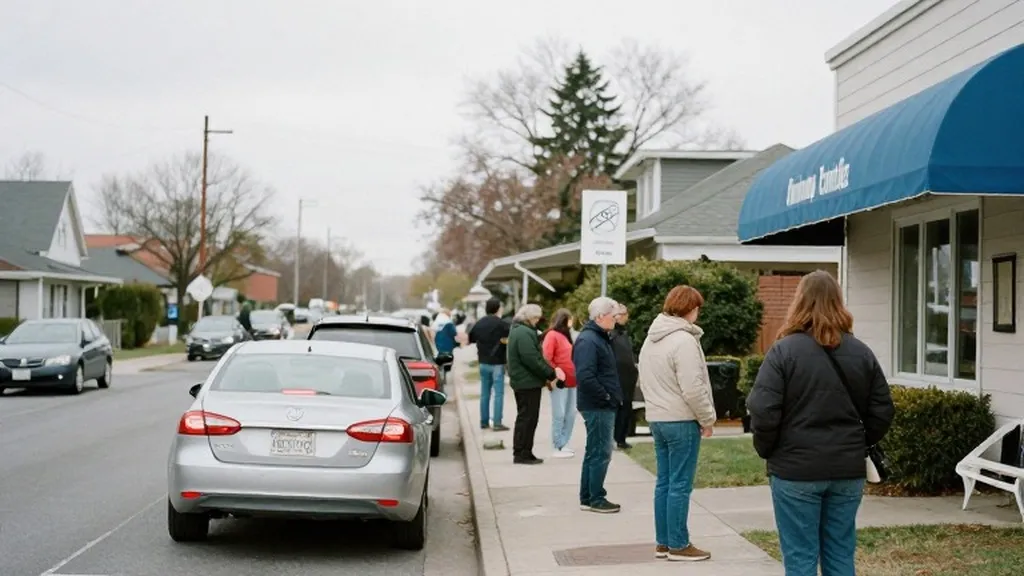
Voters across the country are casting their ballots today in a variety of ways, with poll hours varying by state. In states like California, Florida, and Hawaii, voting is largely by mail, while in others, such as New York and Pennsylvania, in-person voting is the primary method. The AP highlights that the election is being closely watched by Wall Street, with results potentially impacting investor concerns about AI spending and debt ceiling negotiations. The convergence of legal, logistical, and financial factors makes this Election Day a complex event that will determine the direction of the federal government for the next two years.