Amazon withdraws four data center plans in Loudoun County
The tech giant will convert 122 acres of former university land into housing and donate space for community use after local resistance.
By Jessica Abebe ·
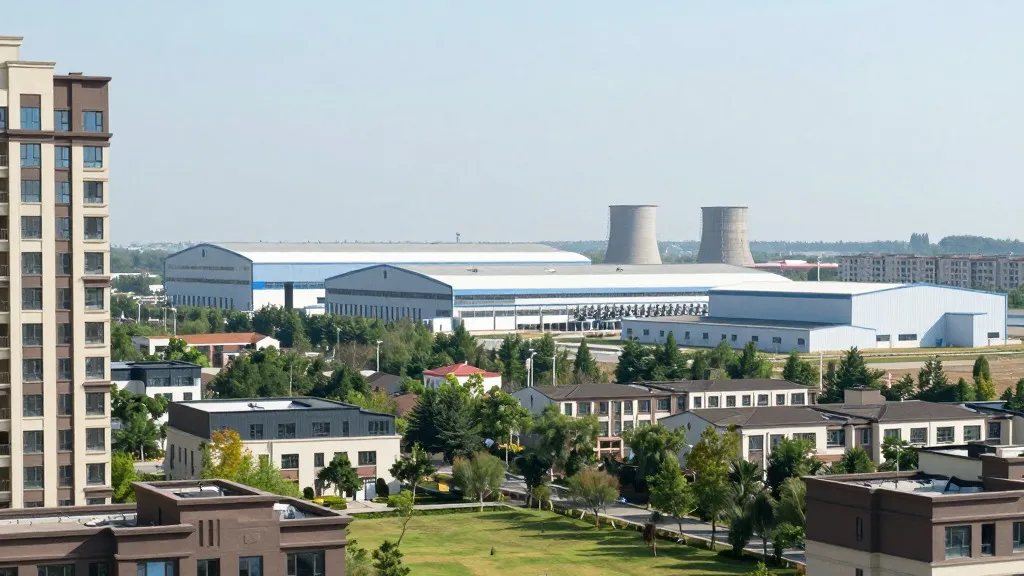
Amazon has officially scrapped its plans to construct four new data centers on a 122-acre parcel of land in Loudoun County, Virginia, following intense opposition from local residents. The site, which is currently the location of the George Washington University campus, will instead be largely repurposed for mixed-use and residential development. In a significant concession to community demands, the company agreed to donate 25 acres of the property to the county. This land will be utilized to build a community arts center and a new recreational facility. Additionally, Amazon will contribute five million dollars to the county's dedicated housing fund, according to reports from The Washington Post.
This decision marks a sharp reversal for the company in a region already known as Data Center Alley. Loudoun County currently holds the largest concentration of data centers on the planet, a title that has drawn both investment and scrutiny. Residents have long expressed concerns about the operational noise generated by these facilities and the massive quantities of electrical power required to keep them running. These concerns have prompted a shift in the county's approach to approving new data center projects in recent months.
The controversy began when Amazon submitted its initial proposal to build the facilities in July of this year. Tensions escalated as the local community organized against the plan. In September, Phyllis J. Randall, the chair of the Loudoun County Board of Supervisors, met with company representatives. During that meeting, officials suggested to Amazon that it might be more beneficial to seek an alternative use for the land rather than proceeding with the original data center design.
Josh Weissman, Amazon's vice president in charge of data center development, explained the company's reasoning for the change in plans. He stated that Amazon had moved quickly to purchase the former university campus when the opportunity first arose. However, he acknowledged that the company gave serious thought to the county's pointed concerns regarding data center development at that specific site. Weissman noted that while the company viewed the legal development potential of the property differently than the county did, they decided that a shared vision would be better than engaging in costly litigation.
The withdrawal of the project comes at a time of heightened national attention on the infrastructure demands of artificial intelligence. The rapid expansion of cloud-based services and AI applications has driven demand for larger and more numerous facilities. This surge has led to increased friction between tech companies and local communities, who worry about the environmental and economic impacts of these mammoth structures. These impacts include potential spikes in local electricity prices and strains on water resources.
Federal leaders have also begun weighing in on the issue. Just days before this news emerged, President Donald Trump issued a call for data center builders and AI hyperscalers to pay local communities a dividend to offset energy-related price increases. In a social media post, the President suggested that data centers should be required to generate their own electricity and provide or sell excess energy back to the local grid. These discussions highlight the growing complexity of siting new infrastructure in areas already under stress from water shortages and deforestation concerns.
Local officials in Loudoun County have framed the outcome as a success of negotiation rather than confrontation. Phyllis J. Randall said in a statement that by choosing dialogue over reflexive disagreement, the county and Amazon created a valuable opportunity for the community. She emphasized that the agreement provides new places for residents to gather, create, and play. Randall added that a primary goal of the new plan is to provide more attainable homes for working families in the area.
The shift in land use reflects a broader trend in how local governments are managing the influx of tech infrastructure. By securing residential development and public amenities, the county has addressed key voter concerns about housing affordability and community space. The decision avoids a prolonged legal battle and allows the land to be developed in a manner that aligns more closely with local priorities for growth and quality of life.
For Amazon, the move allows the company to maintain a presence in the Northern Virginia region without the friction that accompanied the data center proposal. The five million dollar contribution to the housing fund and the donation of land for public use demonstrate a willingness to invest in the local community directly. As the race to build AI infrastructure continues, this case may serve as a model for how other companies and municipalities can navigate competing demands for land and resources.
More Business · Business Watchdog · Report a business · Got a Story?