Trump Orders AI Firms To Pay Energy Dividends
The President directed major technology companies to return surplus power to local grids to offset rising utility costs.
By Julia Novak ·
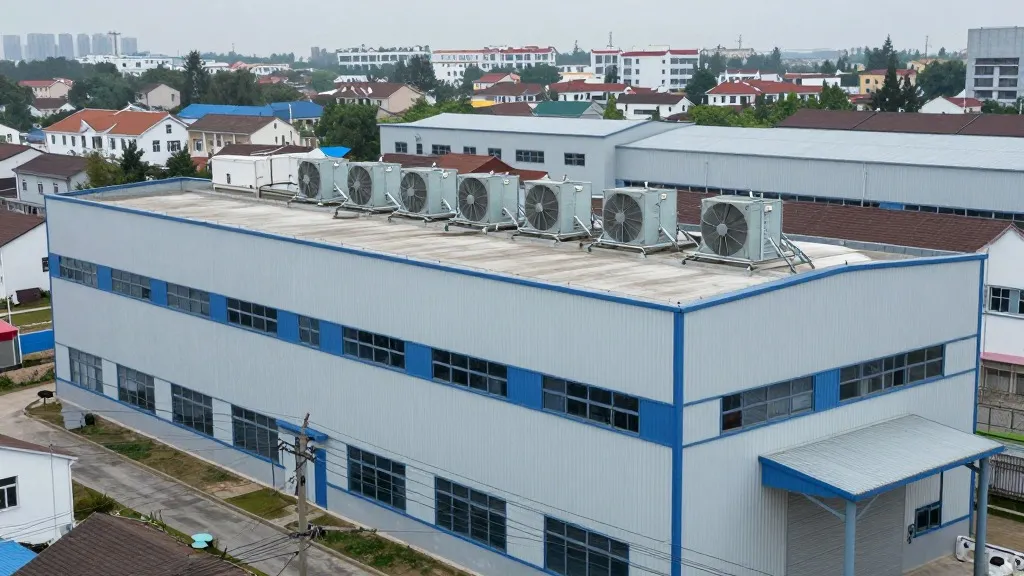
President Donald Trump has directed AI hyperscalers and data center builders to provide energy dividends to the communities they impact. Through a recent Truth Social post, the administration outlined a mandate requiring these facilities not only to generate their own electricity but also to distribute or sell any surplus power back to local areas. The move is designed to counter the economic burden placed on residents living near these expanding technological hubs.
Communities across the nation have pushed back against the rapid construction of AI infrastructure. Residents frequently cite a range of grievances, including increased electricity bills, noise pollution, water shortages, and environmental damage. The proposed mandate aims to alleviate some of these concerns by ensuring that the massive energy output generated for AI operations can benefit the immediate vicinity rather than solely serving corporate interests.
The proposal involves specific operational requirements for energy generation. The administration has previously ordered these companies to produce their own power, and the current directive extends that requirement to include returning excess electricity to the grid. This surplus could theoretically be used to lower electricity costs for local residents, helping to mitigate the financial impact on households near data centers.
A recently passed act further supports this framework by mandating that data centers shoulder the costs of grid upgrades. This provision prevents those expenses from falling to local taxpayers. The combination of energy dividends and infrastructure cost coverage represents a concerted effort to address the financial strain associated with hosting large-scale data facilities.
The President emphasized the necessity of these arrangements to facilitate further construction. “Data Centers that were highly unpopular in a certain area have become extremely popular when a financial deal is struck,” Trump stated. He concluded the message with a directive to “MAKE DEALS, and get them built!!!”
The administration's focus on these mandates aligns with its objective to maintain a lead in the artificial intelligence race against China. By attempting to resolve community opposition through financial compensation and energy sharing, officials hope to streamline the approval process for new facilities. The goal is to secure public support for the rapid expansion of the technology sector required to sustain this growth.
However, the practical execution of this plan remains undefined, as the specific mechanics of how these dividends will be distributed are yet to be determined. The potential for success hinges on whether the economic benefits can offset the operational costs for the companies involved. Additionally, the environmental concerns regarding water consumption and pollution continue to pose significant challenges for the industry.
Whether such financial incentives will be sufficient to satisfy local populations remains to be seen. While economic factors are a primary concern, the physical impact of these facilities on the environment remains a contentious issue. The administration continues to push for the construction of these projects while navigating the complex reality of their impact on the surrounding landscape.
The proposed solution seeks to balance the aggressive expansion of AI infrastructure with the needs of the communities hosting it. By requiring companies to return excess energy, the policy attempts to create a mutually beneficial arrangement. The administration is betting that such deals will pave the way for widespread acceptance of new data centers.