Voters decide 10 key Senate seats in tight midterm races
From Alaska to Texas, incumbents and challengers fight for control of the chamber that checks presidential power.
By Julia Novak ·
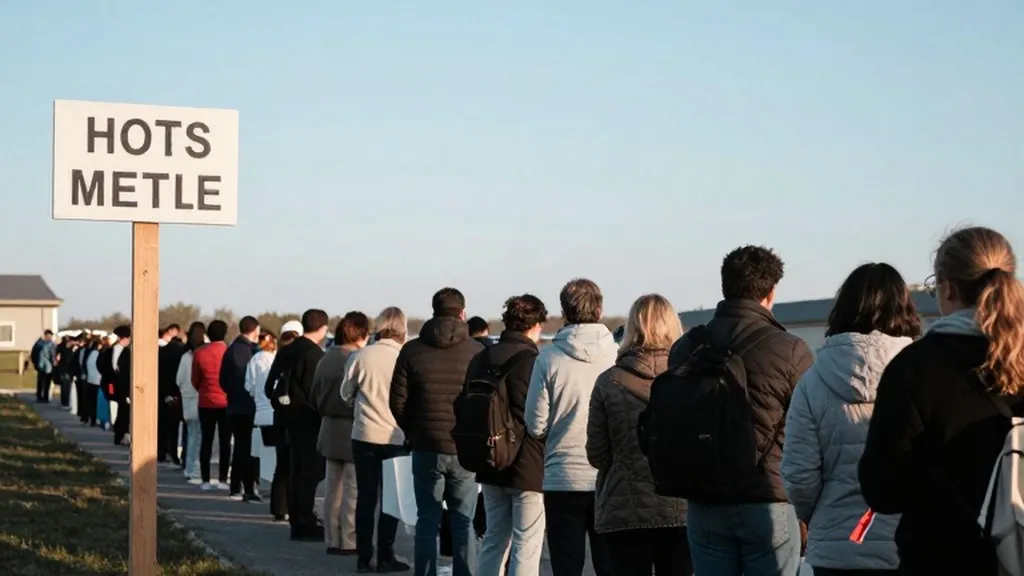
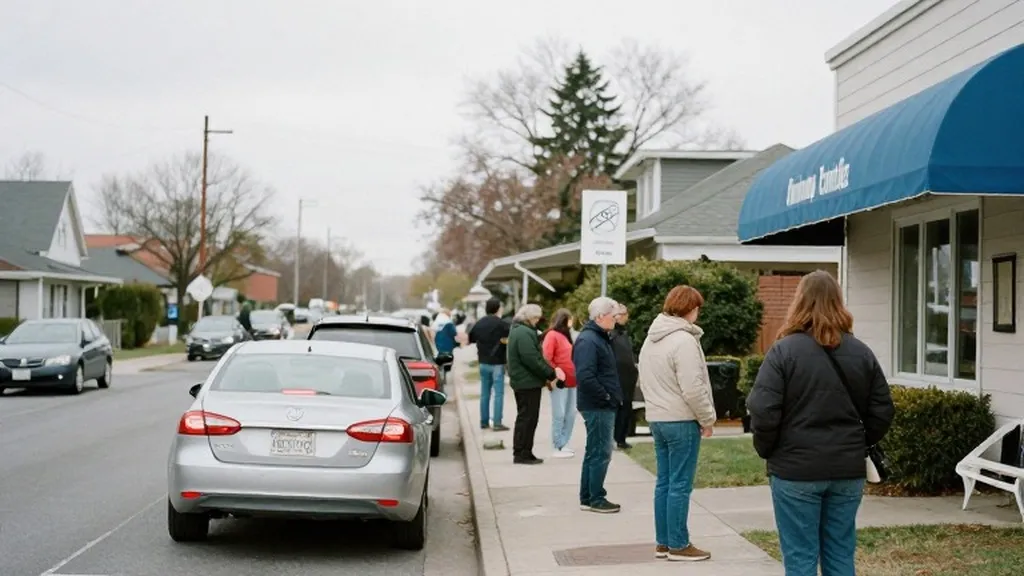
Polls are open across the country as millions cast ballots in the 2026 midterm elections. The results will determine which party controls the U.S. Senate for the final two years of President Donald Trump's second term. Thirty-five Senate seats are up for grabs, including 33 regular elections and two special elections. Democrats currently hold 45 seats and need a net gain of four to take the majority. Republicans hold 53 seats and can lose only two to maintain control. The Associated Press notes that the election is viewed as a referendum on the president's performance, with voters expressing concern over high prices and an unpopular war with Iran.
North Carolina presents a pivotal contest for both parties. Democratic former Governor Roy Cooper faces Michael Whatley, a former Republican National Committee chair. The race is being watched closely because the state voted for President Trump by 3.3 percent in 2024. Former Senator Thom Tillis, a Republican, is not running again after clashing with the president over his term. The Associated Press highlights this matchup as a key indicator of national sentiment. Voters in Raleigh, such as librarian James Moore, cite rising costs for healthcare and taxes as primary motivators for their votes.
In Georgia, incumbent Democrat Jon Ossoff is challenging Republican Representative Mike Collins. The state voted for Trump by 2.2 percent in the previous cycle, making it a competitive battleground. Ballotpedia rates the race as leaning to likely Democratic. The contest reflects broader national debates on the economy and the president's second term. Both campaigns have focused on voter turnout, with Republican National Committee Chairman Joe Gruters stating that everything depends on getting their voters to the polls. Democratic Congressional Campaign Committee Chair Suzan DelBene counters that the American people are angry and want change.
Ohio features a special election for the seat previously held by Vice President JD Vance. Republican Senator Jon Husted is running for the remainder of the term against Democratic former Senator Sherrod Brown. The state voted for Trump by 11.2 percent in 2024. The Associated Press identifies this as a named matchup of significant interest. The race is part of a broader effort by Republicans to hold the Senate majority. Democrats are cautiously optimistic about their chances in several key states, including Ohio, where new congressional maps may influence voter behavior.
Michigan offers another high-stakes contest for the remainder of a term or a full term, as the state's Senator Gary Peters is retiring. Republican former Representative Mike Rogers is running against Democrat Abdul El-Sayed. The state voted for Trump by just 1.4 percent in 2024, making it a toss-up or lean Democratic race according to various analysts. On Sunday, El-Sayed's former primary opponent, Haley Stevens, endorsed Rogers. This development adds a layer of complexity to the Democratic ticket. The Associated Press notes that economic strain and tariffs have made the state competitive for Republicans.
Texas is a critical battleground with Republican Attorney General Ken Paxton facing Democrat James Talarico. President Trump backed Paxton over incumbent Senator John Cornyn in the primary. The state voted for Trump by 13.6 percent in 2024. The Associated Press lists Texas as a key race in the fight for Senate control. The contest is part of a larger strategy for Republicans to defend their majority in states they won in the previous cycle. Democrats hope to make gains in Texas and other states to tip the balance of power in the chamber.
Maine is a toss-up race on all four major race ratings. Incumbent Republican Senator Susan Collins is running against Democratic former state Senate President Troy Jackson. The state voted for Kamala Harris by 6.9 percent in 2024. The Associated Press says economic strain and tariffs have made the state competitive. Collins is one of the few Republicans running in a state that voted for the Democratic presidential nominee in the previous election. The race is seen as a bellwether for the party's ability to hold onto seats in traditionally blue states.
New Hampshire features an open seat following the retirement of Democrat Jeanne Shaheen. Republican former Senator John E. Sununu is running against Democratic Representative Chris Pappas. The state voted for Harris by 2.8 percent in 2024. The race is considered competitive, with both parties investing heavily in advertising. The Associated Press notes that the state's small population and unique voting practices make it a microcosm of national trends. Voters in New Hampshire are weighing the president's economic policies against local concerns about the cost of living.
Minnesota is another open seat race following the retirement of Democrat Tina Smith. Democratic Lieutenant Governor Peggy Flanagan is among four candidates running against Republican Michele Tafoya, a former sports broadcaster. The state is not listed in the 13 specific battlegrounds by Ballotpedia but is part of the broader fight for Senate control. The Associated Press highlights the race as one of the named matchups. The contest reflects the shifting dynamics in the Midwest, where Democrats have made gains in recent years. Republicans are bracing for the possibility of losing seats in the region.
Kansas is a reliably Republican state that has become central to the fight for Senate control. Incumbent Republican Roger Marshall is running for reelection. The state voted for Trump by 16.2 percent in 2024. Ballotpedia rates the race as toss-up to lean Republican. President Trump held a rally in Salina, Kansas, on Sunday, urging voters to pretend he was on the ballot. The Associated Press notes that many Republican candidates kept their distance from the president during the campaign. The race is seen as a test of the president's influence in his base.