Voters weigh the cost of the Iran conflict in 2026 midterms
The war in the Middle East has emerged as a central factor in a crowded field of Senate and House races.
By Jessica Abebe ·
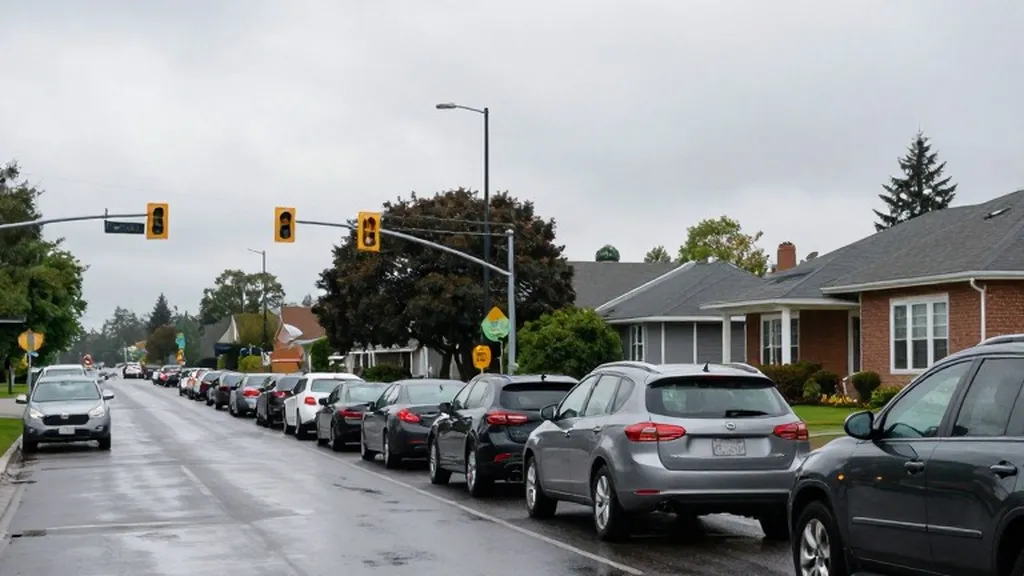
The war with Iran has become a defining issue in the 2026 midterm elections, with voters in key battleground states expressing deep frustration over the conflict's impact on their daily lives. Many Americans are struggling with high prices and are angry over what they describe as an unpopular war. This sentiment is driving a significant portion of the electorate to view the election as a referendum on President Donald Trump's second term. The conflict has added a layer of complexity to a race that is already tight, with both parties vying for control of Congress in the final two years of the president's term.
Polling data center indicates that 35 percent of U.S. Adults approve of President Trump's job performance, while only 25 percent approve of his handling of the economy. Approximately seven in ten adults say the country is heading in the wrong direction, and most blame the president for high prices. The war with Iran is cited as a major contributor to these economic anxieties, particularly regarding energy costs and inflation. This perception is influencing how candidates campaign in states where the 2024 presidential margin was narrow, as they seek to connect the national conflict to local economic realities.
In the Senate, thirteen races are considered battlegrounds, with the outcome potentially determining which party controls the chamber. The war has made certain states more competitive, particularly where economic strain is most felt. In Maine, Senator Susan Collins, a Republican, faces a tough challenge from Democratic former state Senate President Troy Jackson. Economic strain and tariffs, intertwined with the broader geopolitical situation, have made the state a toss-up on all four major race ratings. Similarly, in Georgia, Senator Jon Ossoff, a Democrat, is running against Republican Representative Mike Collins in a state that Trump won by a narrow margin in 2024.
Republicans are bracing for a potential loss in the House while fighting to hold the Senate, with the Associated Press noting that one or two seats could tip either chamber. The party's strategy has focused on turnout, with RNC Chairman Joe Gruters stating that everything depends on whether they can mobilize their voters. Gruters emphasized that the plan has been in place for some time, aiming to counteract the historical trend of a president's party losing seats in midterm elections. However, the unpopularity of the Iran war has made it harder for some Republican candidates to maintain their usual level of support, leading many to keep a slightly greater distance from the White House.
Democrats are cautiously optimistic, arguing that the American people are angry and want change, according to DCCC Chair Representative Suzan DelBene. The party is leveraging the war's economic impact to highlight the cost of living, a theme that resonates with voters in swing districts. In the House, all 435 seats are up for grabs, and Democrats need a net gain of three districts to achieve a majority. 46 battleground districts are identified, with 21 of those held by Democrats having voted for Trump in 2024. This overlap creates a complex landscape where voters who supported the president in 2024 are now weighing the consequences of the Iran conflict on their local economies.
The financial stakes of the election are also high, with the 2026 races likely to be the most expensive in history. Republican committees have outraised and outspent Democratic committees at the committee level, aided by Trump-affiliated groups and support from Elon Musk. However, at the candidate level, Democrats have managed to raise more funds than their opponents. An analysis of AdImpact data shows that 88.1 percent of Republican general election television ad spending has gone to states and districts that Trump won in 2024. This spending pattern suggests that Republicans are focusing on protecting their base in areas where the Iran war may have had less direct economic impact, while Democrats are targeting areas where the conflict has increased costs for consumers.
Voters in Palm Beach Gardens, Florida, and other parts of the country are expressing mixed views on the war's impact. Mark Barker, a voter in Florida, said that he has been following Trump closely and believes he is doing an awesome job, suggesting that some voters remain supportive despite the conflict. In contrast, James Moore, a librarian in Raleigh, North Carolina, said he is paying more taxes and more for healthcare and everything else, linking his financial stress to the broader political climate. These personal accounts reflect the divided nature of the electorate, with some voters prioritizing the president's handling of the war and others focusing on the immediate economic consequences.
The administration has also taken steps that have raised concerns about election integrity, including lawsuits in Alaska and California related to voting procedures. Trump has continued to make claims about voting fraud, including the assertion that noncitizens vote in large numbers. These actions have led some Democrats to fear interference and intimidation, particularly as the Justice Department threatens to prosecute local election officials. The war with Iran provides a backdrop for these disputes, with some arguing that the administration is using the conflict to justify a stricter approach to voter verification, while others see it as an attempt to shift attention from the war's unpopularity.