Voters Decide Congress Control and Trump's Power
With over 50 million ballots already cast, today's midterms test whether Democrats can seize both chambers of Congress despite Republican gerrymandering efforts.
By Nadia Singh ·

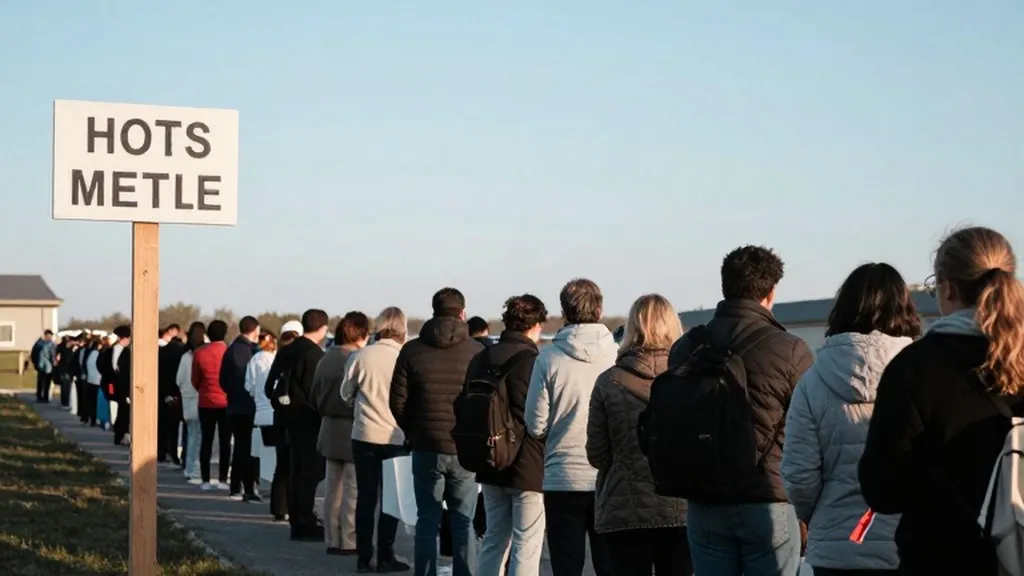
Donald Trump faces a decisive test of his political strength as Americans vote in Tuesday's midterm elections. The outcome will determine whether the Republican Party retains its narrow congressional majorities or whether Democrats seize control of at least one chamber. This vote serves as a direct referendum on the first two years of the second Trump administration.
Historical data indicates that the party holding the White House typically loses seats in these off-year elections. Democrats are capitalizing on low approval ratings for the president and voter anxiety regarding the war with Iran and rising gasoline prices. They aim to flip the House of Representatives and the Senate, which would significantly limit Trump's legislative agenda. Key gubernatorial races in several states are also on the ballot.
The path to a Democratic takeover is complicated by recent redistricting. Republicans currently hold a 220-215 margin in the House. While strategists from both parties believe Democrats are on track to gain a majority, the number of competitive districts is lower than in previous cycles. Redistricting has spread conservative voters across more districts, particularly in Florida and Texas. This structural advantage may cap the total number of seats Democrats can win, even if the national vote leans their way.
In the Senate, Republicans hold a 53-47 advantage. Democrats need to win four seats to take control, including races in Ohio, Iowa, Kansas, Texas, and Alaska. These states voted for Trump in 2024. Gaining control here would require a shift among working-class white voters who supported the president in previous cycles, as well as Hispanic and Black voters who have shown signs of disapproval in recent polling.
The administration has intensified its involvement in the election process. The Department of Justice is deploying approximately 1,000 employees to observe voting. This follows a failed legal bid to block the certification of the Alaska Senate race if Republican candidate Dan Sullivan loses. Trump called the situation a top-level fraud. The government also attempted to stop California from counting 20,000 ballots cast by individuals identified as probable non-citizens, though that effort did not succeed.
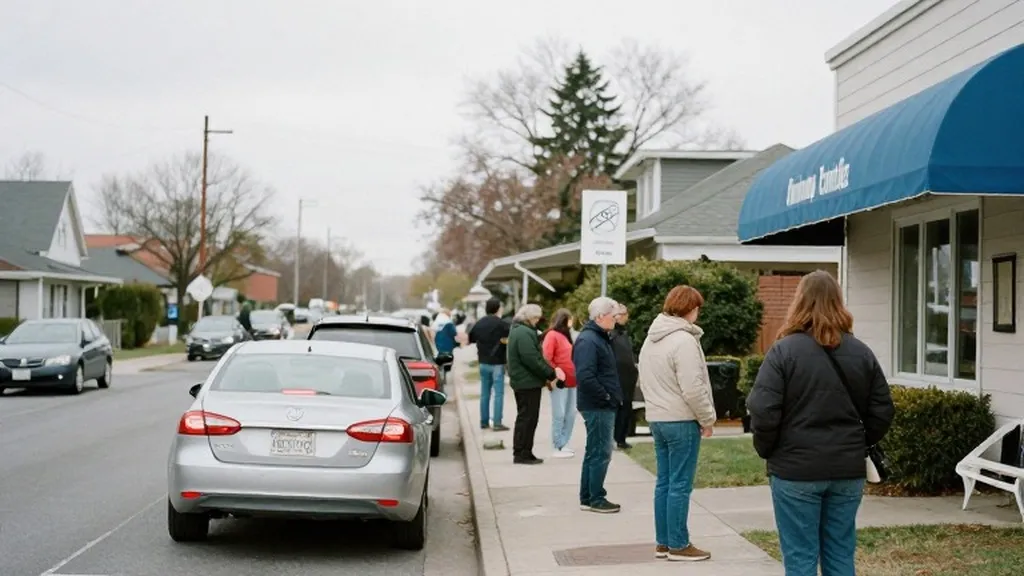
Concerns over federal interference have prompted Democrats and nonpartisan groups to train tens of thousands of volunteers to monitor polling places. These observers are watching for the deployment of federal immigration agents or National Guard members in heavily Democratic districts. The White House states it has no current plans to use these forces but has not ruled out future actions. The high volume of early votes, exceeding 50 million, is expected to ease the load on election day staff.
Several gubernatorial races offer the potential for historic changes in state leadership. Wes Moore of Maryland seeks re-election as the only current Black governor. Other candidates include Keisha Lance Bottoms in Georgia and Lisa Demuth in Minnesota, both of whom would be the first Black women to win a major party's nomination for the office. John James in Michigan and Byron Donalds in Florida would become the first Black Republican governors in their states.
Gina Hinojosa is running for governor in Texas, where she would become the first Latino to hold the office. In New Mexico, former Interior Secretary Deb Haaland seeks election, which would make her the first Native American woman to serve as a state's chief executive. These contests add a layer of demographic significance to the broader national tally as results begin to roll in.