Tesla admits FSD requires proprietary maps to fix speed limit errors
The EV maker is developing a new AI-driven mapping system to resolve navigation flaws that its vision-only approach failed to correct.
By Julia Novak ·
55% of the time in recent tests, Tesla's Full Self-Driving system failed to obey 30 km/h speed limits in Brussels. This striking statistic highlights a persistent weakness in the company's vision-based approach that leadership is now trying to address with a significant strategic shift. Tesla is officially building its own maps to correct common errors involving speed limits, parking, and route selection. The announcement marks a departure from the company's long-standing rhetoric against relying on external data for autonomous driving.
The news emerged during Tesla's Q3 2026 earnings call, where the company's head of AI, Ashok Elluswamy, detailed the new initiative. The discussion was prompted by a question from a retail investor who noted that mapping continues to be a problem for the system. The investor specifically cited speed limits, parking, and typical routes as the three most significant issues. Elluswamy agreed that Tesla should not depend on external providers' maps and outlined the company's plan to create a proprietary solution.
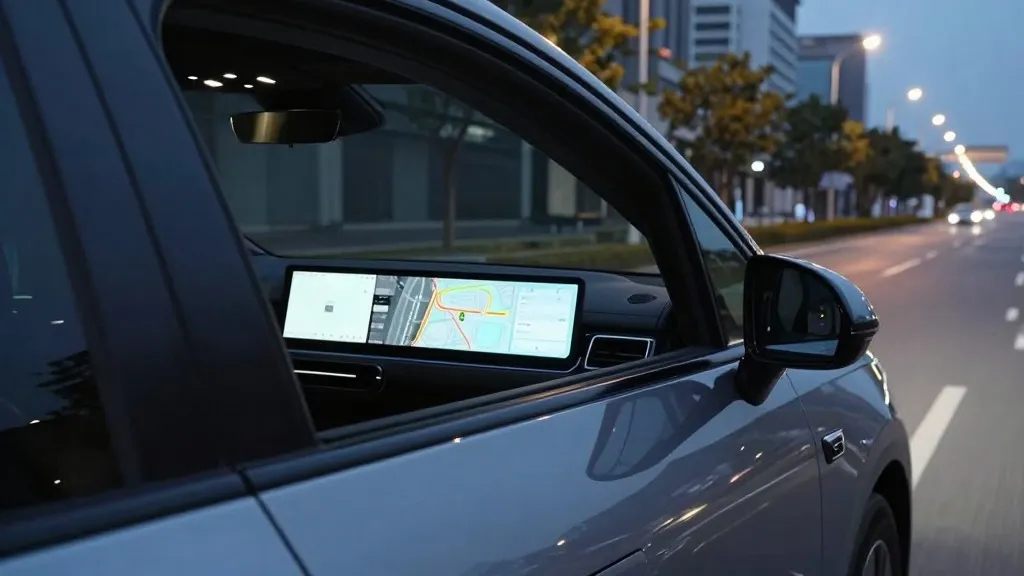
Tesla is developing a new AI-based mapping and navigation architecture that will be fed by data collected from its global fleet. This system will learn from the collective experience of millions of vehicles. It will also adapt to individual driver preferences and respond to voice commands. The technology is scheduled to begin handling the start and end of trips with the release of FSD v15. Over the following months, it is expected to take over broader navigation, parking, and destination handling functions.
This move represents a notable reversal for a company whose CEO previously argued that self-driving systems relying on maps are brittle. For years, Elon Musk dismissed the use of high-precision maps and lidar as a crutch for less advanced systems. In 2019, at Tesla's Autonomy Day, he called high-precision lane maps a huge mistake and described reliance on them as a really bad idea that makes a system extremely brittle. He simultaneously labeled lidar a fool's errand, suggesting that cameras and AI alone could solve driving anywhere.
However, the practical challenges of real-world driving have forced a reevaluation. In 2015, Tesla told Fortune it was building high-precision maps with 100 times the granularity of standard navigation using customer car data. Now, seven years after the Autonomy Day critique, the company is building a map layer from its own fleet to fix what its vision system gets wrong. The core issue is environmental understanding. Speed limits, parking, and routes require precise knowledge of the surroundings, areas where FSD frequently fails.
Recent data underscores the urgency of this fix. A Belgian road safety group found that FSD sped in more than half of the 30 km/h zones it tested in Brussels. The cars averaged 44 km/h, often because the interface displayed a 50 km/h limit. In the United States, the NHTSA is weighing an investigation into claims that Tesla Robotaxis speed through active school zones. This scrutiny covers approximately 1,000 Model Y and Cybercab vehicles. If a simple sign is the cause of errors, the vision-only promise is under pressure.
This approach brings Tesla closer to its rival Waymo than it might prefer. Waymo maps cities by driving sensor-equipped vehicles through them before launching service and keeps those maps updated as the fleet operates. Tesla is now describing a similar process where cars collect visual data to feed a Tesla-built map that improves driving for all vehicles. The primary hardware difference remains that Waymo cars are equipped with lidar on top. Tesla's current Robotaxi service also operates within small geofenced areas, a model it has previously distinguished from general purpose self-driving.
The next phase involves integrating this new map layer into the FSD software stack. The company aims to deploy the initial features with FSD v15, focusing on trip initiation and termination. Subsequent updates will expand the system's capabilities to handle full navigation and parking. While unsupervised FSD for consumer cars is still targeted for Q2 2027, the introduction of proprietary maps signals a pragmatic adjustment to the engineering strategy. The goal is to reduce reliance on imperfect visual interpretation and provide a more robust foundation for autonomous driving performance.