SpaceX Rejects Military Contracts As Miura 5 Nears Final Assembly
The US space company turned down three launch offers while a Spanish startup prepares its first orbital vehicle for 2027.
By Nadia Singh ·
The figure 22 has emerged as a critical benchmark for future lunar ambitions, as a NASA safety panel indicated that SpaceX’s Starship vehicle may require up to 22 distinct refueling operations to support a crewed landing on the Moon. This technical requirement highlights the complexity of orbital logistics as the company advances its civil space programs.
This week brought significant developments across the global launch sector, marked by a notable shift in commercial strategy and steady progress in international rocket development. The most striking news came from SpaceX, which informed the US Space Force that it was declining three offered military launch contracts. This decision marks a clear delineation between the company’s commercial and government operations, signaling a preference for maintaining specific operational boundaries in the current market landscape.
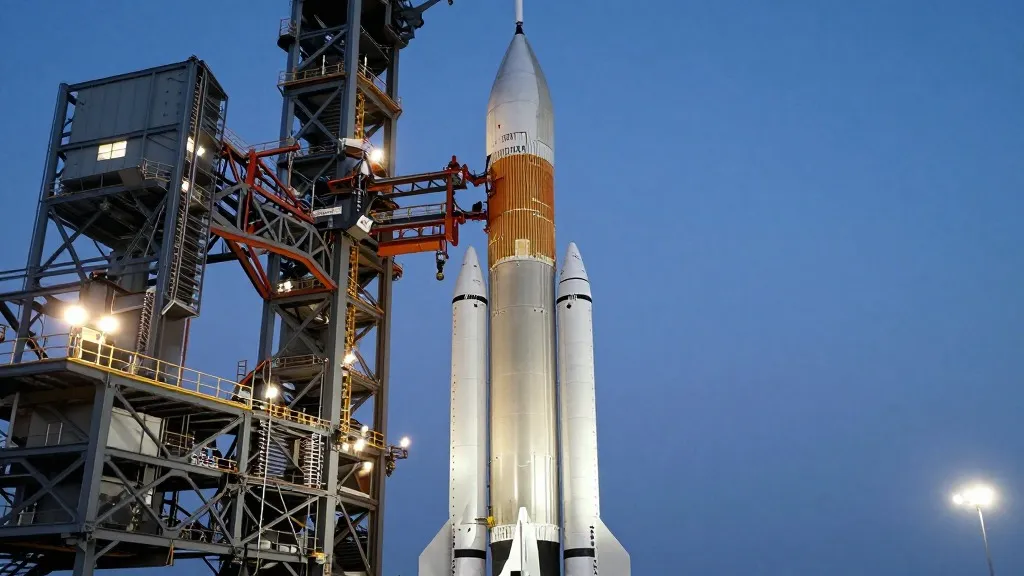
The trajectory of the Miura 5 rocket in Spain has accelerated rapidly over recent months. PLD Space, the developer of the vehicle, reported on October 19 that the rocket is nearing the final stages of integration. The company has already manufactured three units of the small-lift vehicle, with two dedicated to qualifying key system elements and the third prepared for its inaugural flight. CEO Raúl Torres noted that producing these three vehicles allowed engineering teams to work continuously across various production stages, applying lessons from each qualification campaign directly to the launch vehicle.
Currently, one Miura 5 second stage is fully integrated and has begun system-level testing under representative operating conditions. This stage is located at PLD’s Teruel test facility, where it will undergo a rigorous qualification campaign. The testing schedule includes a wet dress rehearsal and a static hot-fire test, both essential steps before the rocket can be cleared for orbit. The company now targets a first flight for the Miura 5 before mid-2027, a timeline that reflects the increasing maturity of European small-lift capabilities.
In Canada, Reaction Dynamics is pursuing significant capital to expand its workforce and accelerate its development roadmap. The startup is seeking to raise $350 million to grow its staff from 68 to more than 350 employees. This expansion supports the company’s goal of launching its Aurora small-lift rocket into orbit by 2028. Additionally, Reaction Dynamics has announced plans to develop a medium-lift rocket named Borealis, with a debut targeted for 2031. These moves indicate a broadening scope for Canadian launch providers in the coming decade.
These developments illustrate a diverse global landscape where major players are refining their strategic focus while emerging nations and startups push toward their first orbital milestones. The rejection of military contracts by SpaceX and the advanced integration status of the Miura 5 suggest a period of intense activity and strategic positioning in the launch industry as it heads into late 2026.