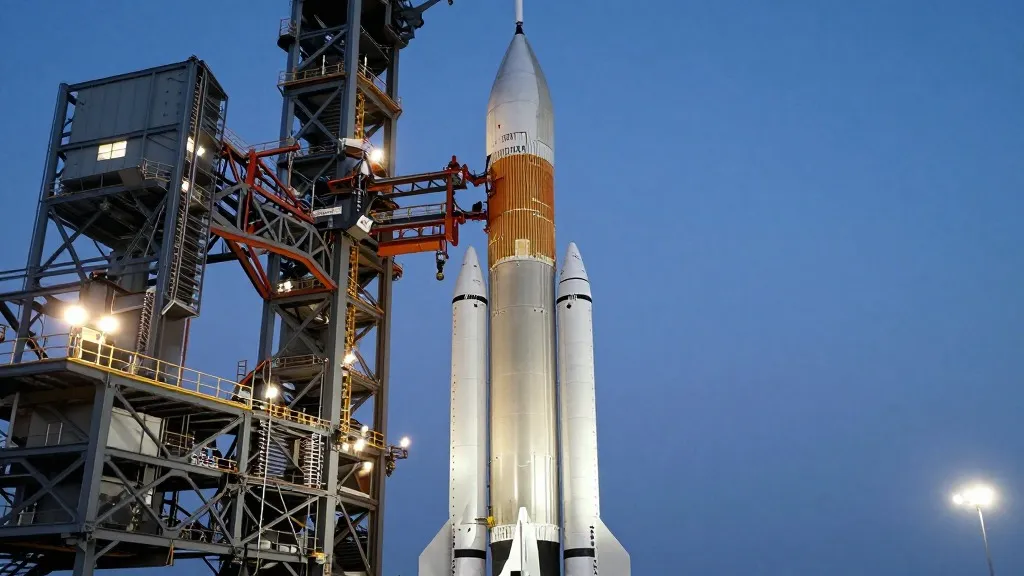
NASA Shifts Moon Landing Strategy to Avoid Complex Space Docks
The agency has revised its Artemis architecture to simplify docking procedures for SpaceX and Blue Origin, targeting a 2028 lunar landing.
By Julia Novak ·
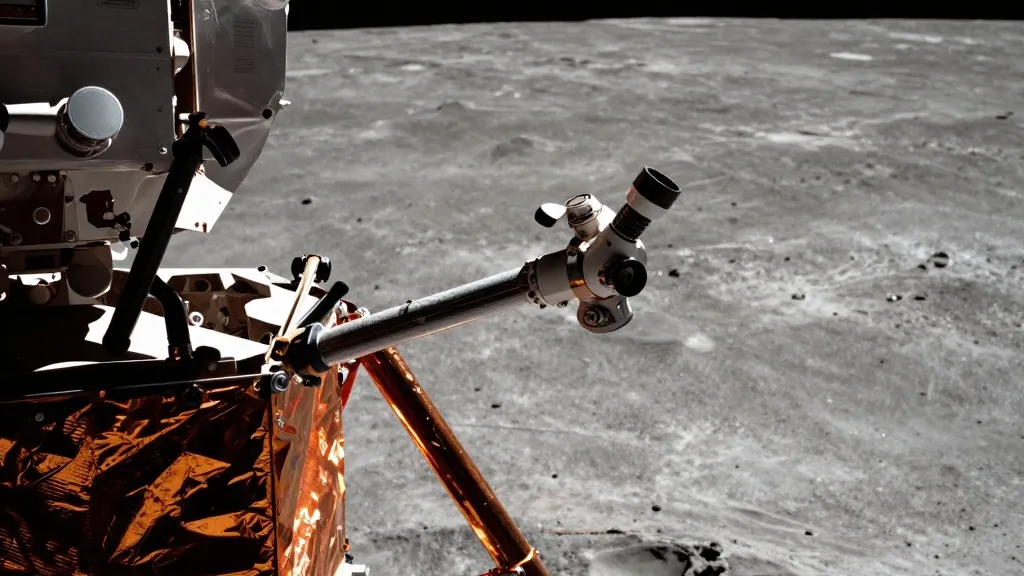
NASA has officially restructured its lunar landing architecture, abandoning a complex orbital maneuver that previously threatened the Artemis program’s timeline. In a lengthy press conference held on Friday, agency officials detailed a new approach that moves the critical docking sequence for SpaceX’s Starship vehicle from the vicinity of the Moon to high-Earth orbit. This change effectively removes a significant technical hurdle that had plagued mission planning for years, allowing the agency to maintain its target of landing astronauts on the lunar surface as early as 2028. While much of this groundwork has been discussed in industry circles, this presentation marks the first time NASA has formally acknowledged these substantial architectural shifts.
The path to this revision has been turbulent. For much of the planning cycle, the requirement for SpaceX to dock with the Orion spacecraft in a near-rectilinear halo orbit posed a major energy and engineering challenge for Starship. That constraint became moot earlier this year when NASA canceled the Lunar Gateway project, a decision that inadvertently solved the docking problem for the private sector. Now, with the Gateway gone, the agency can pivot to a simpler transit profile that aligns better with current vehicle capabilities.
The new plans also clarify the role of Blue Origin. Under the revised architecture, Blue Origin’s New Glenn rocket will execute four separate launches for the mission, with a notable exclusion of spacecraft-to-spacecraft refueling operations. Furthermore, the Blue Moon lander is now positioned to potentially rendezvous with Orion in low-Lunar orbit, offering a distinct alternative pathway to the surface. This diversification suggests NASA is hedging its bets across multiple providers rather than relying solely on a single vendor for the critical landing phase.
Despite the structural changes, the overarching timeline remains largely intact. NASA officials stated that the Artemis III mission, designed to demonstrate docking capabilities for both Blue Moon and Starship near Earth, is still anticipated to launch by the summer of 2027. Following that test, the agency is tracking toward a 2028 launch for Artemis IV, which would finally place humans on the lunar surface. The consistency in these dates raises questions about whether the simplified architecture genuinely accelerates the project or merely masks persistent delays.
NASA Administrator Jared Isaacman expressed confidence in the agency’s ability to stick to these targets, describing the current trajectory as an "achievable path." He emphasized that the agency possesses the necessary mandate, resources, and stakeholder support to execute the plan as intended. However, skeptics note that while the leadership has taken a hard look at every element of the program to help lander companies accelerate, the history of lunar exploration suggests that holding to optimistic dates remains a significant challenge.
The shift in strategy reflects a broader acknowledgment that the initial complexity of the Artemis program may have been over-engineered. By moving the docking window closer to Earth, NASA reduces the operational risk for the private partners involved. Whether this pragmatism translates into a successful 2028 landing, or if new technical issues emerge, remains to be seen. For now, the agency has provided a clearer, if still ambitious, roadmap for returning humans to the Moon.