Record Spending Defines 2026 Midterms as Parties Battle Over Control
Republican committees outspent Democrats at the committee level, while Democratic candidates raised more funds, creating a complex financial landscape for the most expensive election in history.
By Nadia Singh ·

The 2026 midterm election is shaping up to be the most expensive contest in American history, with billions of dollars flowing into campaigns as voters prepare to decide which party controls Congress for the final two years of President Donald Trump's second term. The Associated Press reports that the sheer volume of money raised and spent has created a distinct financial imbalance between the two parties, highlighting a strategic divergence in how each side allocates its resources. This financial war is unfolding alongside a referendum on the president's performance, with many Americans citing high prices and an unpopular war with Iran as primary drivers of their voting decisions.
At the committee level, the Republican edge is stark. The Associated Press analysis of data from AdImpact indicates that Republican committees have both outraised and outspent their Democratic counterparts. This advantage is largely attributed to the influence of Trump-affiliated groups and the significant contributions from Elon Musk. The concentration of this spending is notable, with 88.1 percent of Republican general election television ad spending directed toward states and districts that President Trump won in the 2024 presidential election. This strategy reflects a focus on consolidating support in areas where the president holds a strong mandate.
The scale of this targeted spending is immense, with more than $850 million in Republican television ad spending allocated to districts where Trump won by a margin of 10 points or more. This approach suggests that Republican strategists believe that heavy advertising in these solidly Republican areas will maximize turnout and ensure that their candidates secure decisive victories. The Associated Press notes that this spending pattern underscores the party's confidence in the president's brand and its ability to drive voters to the polls in key battlegrounds and safe seats alike.
In contrast, Democratic efforts have shown a different financial trajectory. While the party trails in committee-level spending, Democrats have outraised their opponents at the candidate level. This suggests that individual Democratic campaigns are successfully raising significant funds directly from supporters, potentially offsetting the committee-level disadvantage. This candidate-level edge provides Democratic incumbents and challengers with the resources to compete effectively in local and state races, even if the broader party infrastructure is outspent by Republican committees.
The financial dynamics of this election are playing out against a backdrop of intense political polarization and voter frustration. According to AP-NORC polling, only 35 percent of U.S. Adults approve of President Trump's job performance, while about seven in ten say the country is heading in the wrong direction. Many voters blame the president for high prices, a sentiment echoed by James Moore, a librarian in Raleigh, North Carolina, who stated that he is paying more for taxes, healthcare, and everything else. This economic anxiety is a central theme in Democratic messaging, with Rep. Suzan DelBene, chair of the Democratic Congressional Campaign Committee, stating that the American people are angry and want change.
Republican leadership remains focused on turnout as the critical factor in their success. Joe Gruters, chair of the Republican National Committee, emphasized that everything depends on getting voters to the polls. He noted that if the party can turn out its voters, they will win, a strategy that has been central to their planning for this election. The Republican effort to beat the historical midterm pattern, where a president's party almost always loses seats, has involved extensive redistricting efforts. However, new districts in states like Florida may not vote as drawn, adding a layer of uncertainty to the financial investment in these maps.
The election is also marked by significant administrative challenges and legal battles. A federal judge temporarily barred the Trump administration from carrying out a plan to prevent noncitizen voting, a move that critics say risks disenfranchising eligible voters. The administration has also sued in Alaska and California regarding election procedures, with Democrats fearing interference and intimidation as the Justice Department threatens to prosecute local election officials. These legal disputes have added to the cost of the election, as parties fund legal teams and lobbying efforts to navigate the complex landscape of election administration.
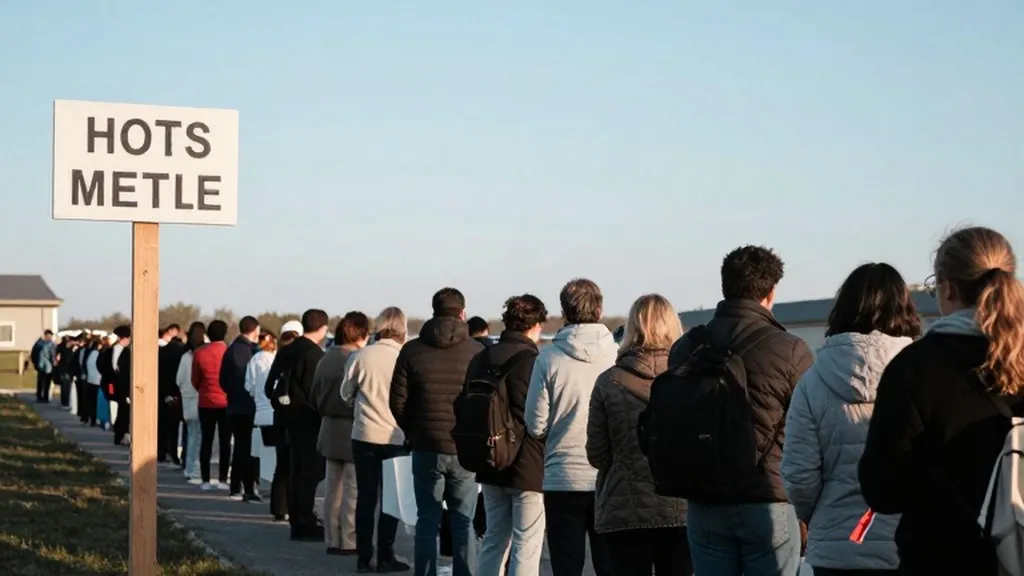
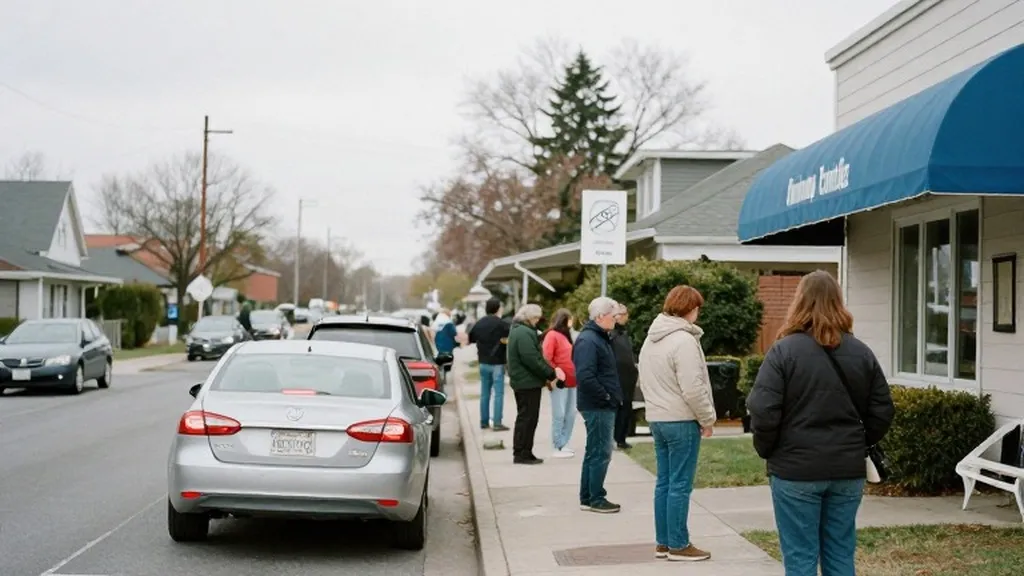
Voters are heading to the polls with a clear sense of the stakes. More than 57 million people had already voted as of Monday, surpassing the early vote totals from four years ago in many closely watched states. The Associated Press describes the election as a referendum on Trump's second term, with voters struggling with high prices and angry over the war with Iran. The financial investment in this election reflects the high stakes involved, with both parties pouring resources into races that could determine the balance of power in Congress and the trajectory of the presidency.
If Democrats win even one chamber, investigations and possible impeachment proceedings become likely. House Democratic Leader Hakeem Jeffries has outlined a 100-day agenda focused on the cost of living and oversight, which could be a key part of their strategy if they gain control. A strong Democratic night would also boost potential 2028 candidates like Gavin Newsom and JB Pritzker, while potentially complicating the path for Vice President JD Vance. The financial battle of 2026 is thus not just about winning seats, but about setting the stage for the next four years of American politics.
As polls close across the country, the focus shifts to the final hours of voting. The Associated Press reports that Republicans were bracing to lose the House and fighting to hold the Senate, with one or two seats potentially tipping either chamber. The financial disparity between the parties, combined with the intense legal and administrative challenges, makes this one of the most complex and costly elections in history. The outcome will be determined by how effectively each party converts its financial resources into voter turnout and engagement on Election Day.