Nvidia's Acquisition Strategy Yields Viral Microduck Robots Amidst Industry Turmoil
A demonstration of open-source robotics by Jensen Huang has driven preorder numbers past 20,000, positioning the device as a leading holiday contender and a strategic asset for the AI giant.
By Nadia Singh ·
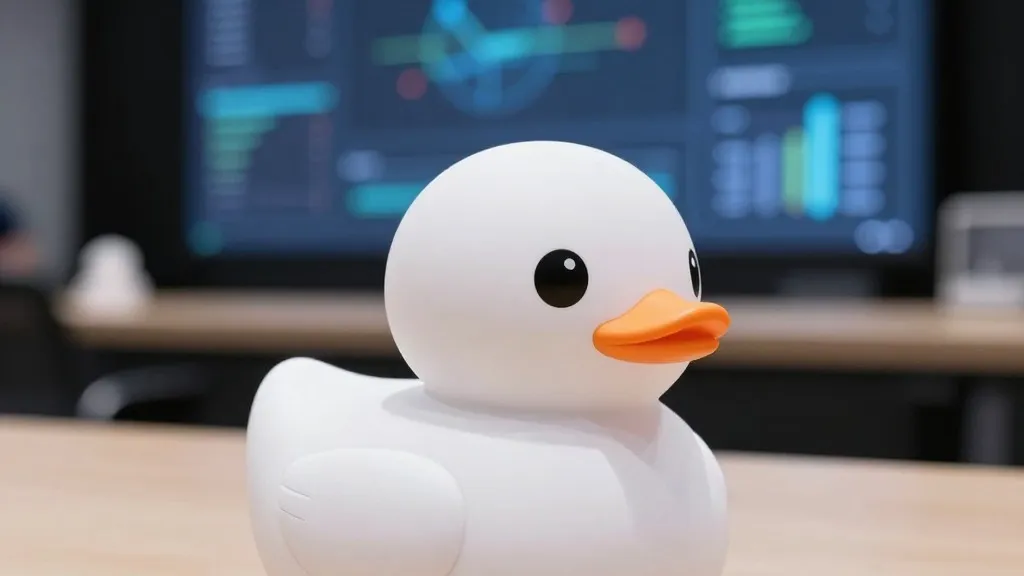
The sudden viral popularity of a small, waddling robot has highlighted a new front in Nvidia's expanding corporate ecosystem.
During the GTC Berlin conference held earlier this week, Nvidia chief executive Jensen Huang was filmed interacting with a group of Microduck robots. The footage showed the devices performing basic actions such as stomping their feet, simulating a nap by falling over, and executing somersaults upon receiving voice commands. The robots also emitted small mechanical sounds reminiscent of the droid R2-D2 from the Star Wars franchise. By the following day, Hugging Face co-founder Clem Delangue reported that preorders for the device had exceeded 20,000 units.
The rapid uptake suggests that the Microduck is poised to become a significant holiday item. Delangue has indicated that the robots are expected to arrive in time for the Christmas season and may become the best-selling robot of the year. Notably, promotional materials feature adults engaging with the devices, suggesting the product is targeting a broad consumer base rather than exclusively children.
The Microduck is an open-source device developed by Pollen Robotics. The company was acquired by Hugging Face in 2025, and since Nvidia purchased Hugging Face in September, the robotics subsidiary now operates under the Nvidia umbrella. This marks Hugging Face’s second foray into robotics, following the release of the Reachy Mini.
The device utilizes Nvidia’s technology stack for its initial training. Simulations were used to teach the robots fundamental behaviors, including walking, sitting, and standing, which are pre-installed upon delivery. Pollen Robotics has stated that owners can teach their units new tricks and subsequently share these custom movements with the wider community, leveraging the open-source nature of the hardware and software.
The timing of the Microduck’s launch is particularly notable given the current climate in the artificial intelligence sector. This week has been marked by concerns over AI’s role in a series of cyberattacks, leading to a generally somber tone for the industry. The lighthearted demonstration of the Microduck offers a counter-narrative, showcasing the technology’s potential for consumer engagement and entertainment.
For Nvidia, the success of the Microduck serves a dual purpose. It reinforces the utility of the company’s software and simulation tools for physical robotics, while also driving brand visibility through organic social media growth. The device represents a tangible, consumer-facing application of the company's deep learning infrastructure, moving beyond data centers into the home environment.
As preorders continue to climb, the Microduck may define the holiday season for tech consumers. Its combination of open-source accessibility, corporate backing from a tech giant, and viral appeal positions it as a unique entry in the robotics market. The device illustrates how corporate acquisitions can rapidly translate into consumer products that capture public imagination, even amidst broader industry challenges.