New California governor faces $29 billion debt and housing crisis
Democrats retained control of the state government, but incoming leaders must address a massive budget deficit and high costs for housing and healthcare.
By Julia Novak ·
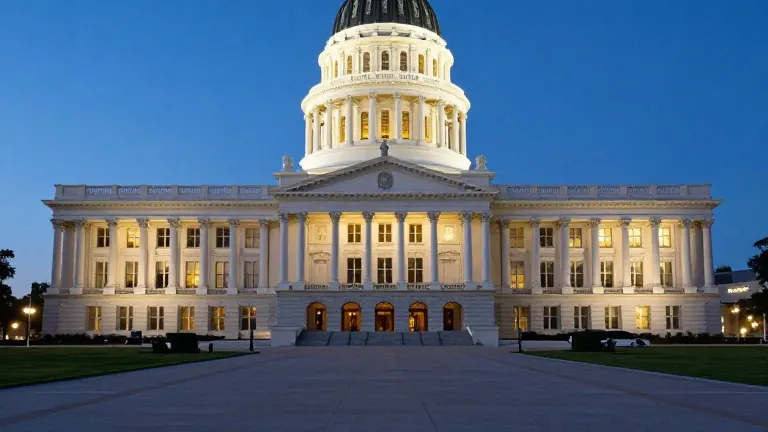
California Democrats retained control of the state government in Tuesday's election, but they now face a $29 billion projected debt burden and rising costs for housing and healthcare. The incoming administration will manage a state where nearly six in ten residents believe the region is moving in the wrong direction.
The political shift began in 2019 when Gavin Newsom took office. He set a goal to build 3.5 million homes by 2025. By 2026, the state had built approximately 692,000 units. The median home price rose from about $570,000 in 2018 to $900,000 this year.
Mark Baldassare, survey director at the Public Policy Institute of California, noted that there will not be a long honeymoon period for the new leadership. He described the mood among Californians as grumpy. A majority of voters worry about the economy and expect difficult financial times ahead.
Voters will decide on several major propositions before the new governor begins work. Proposition 1 seeks to borrow $11.25 billion for low-income and veteran housing. Proposition 37 proposes a $25 billion down payment assistance program. Proposition 45 aims to overhaul environmental review laws to speed up construction of housing, roads, and water projects.
The state budget presents an immediate challenge. The Legislative Analyst's Office estimates an $18.5 billion operating deficit for this fiscal year. Lee Ohanian, an economics professor at UCLA, pointed out that the state budget has grown by 75 percent in the last eight years. This represents a 40 percent increase after adjusting for inflation.
Healthcare costs remain a major expense. Medi-Cal spending reached 40 percent of total state spending this fiscal year, projected to hit $219 billion. This figure is more than double what it was a decade ago. The state recently froze enrollment for adult immigrants without legal status. Next year, many adults under 60 enrolled in the program will pay a $30 monthly premium.
The issue of wildfire liability remains unresolved. Newsom previously proposed limiting utility company liability, a plan that critics called a corporate bailout. That compromise fell through when the Assembly declined to vote on it. Rob Stutzman, a Republican strategist, said the state will likely have to grant some liability caps to stabilize utility rates.
Democrats won the governor's race, with Xavier Becerra expected to defeat Republican Steve Hilton by a wide margin. Becerra promised to crack down on fraud and cut waste in healthcare. He has not yet provided specific policy details on how he will address the budget or housing shortages.