WhatsApp War: Lula's digital turnabout
A 10.8-million-member channel led by a congressman helped reverse a three-week deficit in Brazil's presidential runoff.
By Nadia Singh ·
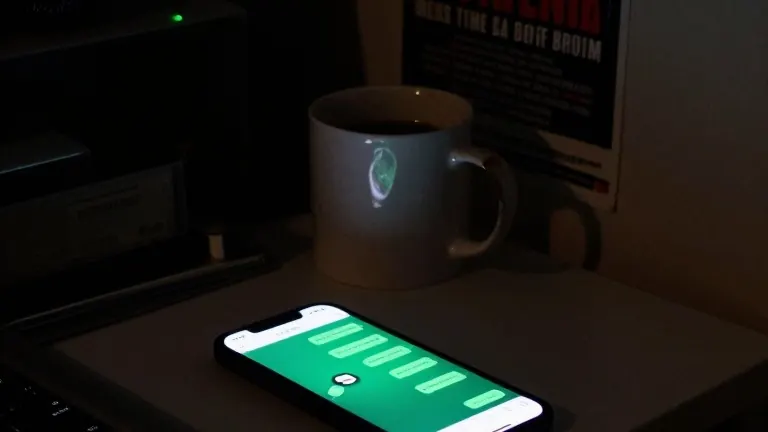
Luiz Inácio Lula da Silva won Brazil's presidential election after reversing a deficit against Flávio Bolsonaro in a span of three weeks. The turnaround coincided with the rapid expansion of a digital support network known as Lula's Army. This WhatsApp channel reached 10.8 million followers between the two rounds of voting.
Congressman André Janones led the operation. His group instructed members to share specific campaign videos and promote designated hashtags. The channel provided ready-made templates to facilitate sharing. Janones urged supporters to blow up new content and help hashtags take off. Instructions included phrases such as Guys, urgent! and No food before the mission! The group treated social media tasks as military orders.
The channel's growth challenged a long-standing trend in Brazilian politics. For years, conservative groups aligned with former President Jair Bolsonaro dominated digital mobilization on platforms like WhatsApp and Telegram. Bolsonaro's 2018 victory relied heavily on these networks. Lula's Army demonstrated that the left could compete in this digital arena. The channel helped build confidence among supporters that a comeback was possible.
Janones hosted a 24-hour live event on the eve of the election. He dubbed it the turnaround livestream. This occurred while polls still favored Bolsonaro. Lula referred to Janones as our General during his victory speech. The president thanked Janones for raising the morale of our troops every day.
Political scientists offer varied assessments of the channel's impact. Denilde Holzhacker, a political scientist, argues that the victory resulted from a shift in strategy. She notes that the Workers' Party connected digital efforts with grassroots mobilization. The campaign linked a Bolsonaro victory to potential changes in social programs. Holzhacker states that Lula recognized his own weakness and changed his style. She credits Janones with dominating social media, a feat previously thought impossible for Brazil's left.
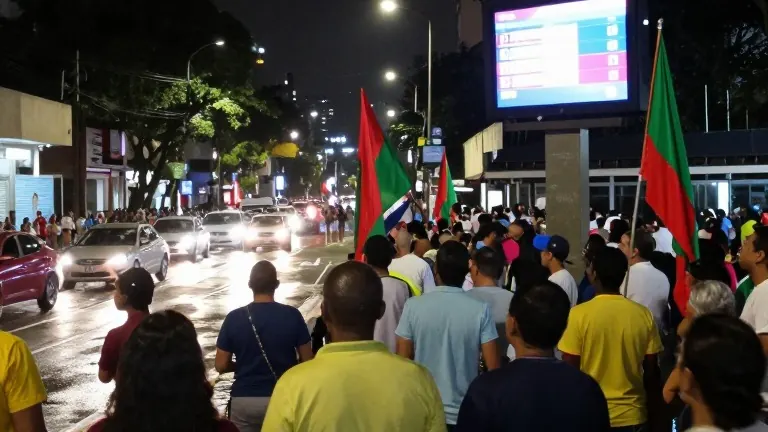
Mayra Goulart, a sociologist and professor at the Federal University of Rio de Janeiro, cautions against attributing the win solely to social media. She describes the result as a combination of online engagement and street-level mobilization. Goulart argues that physical efforts reduced abstention and persuaded undecided voters. The digital enthusiasm translated into real-world political engagement. Supporters worked to bring people together and convince them to vote.
Goulart suggests this collective effort will benefit Lula's next administration. She believes the process provided a learning experience for a government facing future battles. The mobilization helped reduce abstention and converted a significant number of undecided voters. Flávio Bolsonaro entered the runoff with high confidence. However, he failed to communicate his message to supporters as effectively as his opponent.
Lula pledged to incorporate these lessons into his governance. He stated that the election taught him many lessons. The president promised to give people a greater say in decision-making. Digital communication will play a much bigger role in his government.