Eisenkot and Netanyahu Blocs Tied as Arab Parties Hit Knesset Record
Exit polls project 18 seats for Joint List and Ra'am, driven by historic 80 percent turnout among Palestinian citizens.
By Jessica Abebe ·
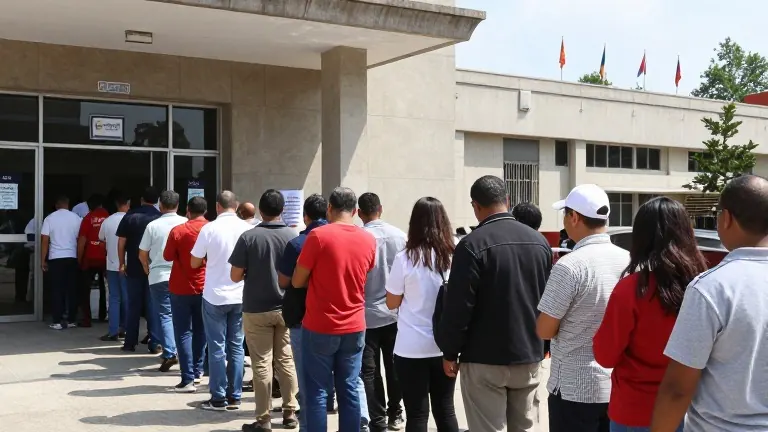
Voters cast their ballots in Israel on Tuesday, setting the stage for a tightly contested parliament.
Exit polls indicate that Arab-led parties are on track to secure 18 seats in the 120-member Knesset, a record high for the bloc. The surge in representation follows a spike in participation among Palestinian citizens of Israel. Channel 12 reported that turnout in this demographic reached approximately 80 percent, surpassing the previous benchmark set in 1999. The Central Elections Committee confirmed that overall national turnout hit 77.7 percent, also the highest level since the late 1990s.
The voting patterns have created a deadlock between the two major political camps. The opposition bloc led by Gadi Eisenkot, former military chief of staff, stands tied with Prime Minister Benjamin Netanyahu’s Likud-led coalition. Both groups currently hold 51 seats. Forming a majority requires 61 seats, meaning neither bloc can govern without additional partners.
Mansour Abbas, leader of the Ra'am party, stated that the current numbers make government formation difficult. "With the numbers we have now, there is no government," Abbas told Channel 12. He noted that both major blocs approached his party for support before and after the vote. Ra'am currently holds five seats and previously served in the governing coalition between 2021 and 2022.
Political observers point to a strategic dilemma for the opposition. Alon Pinkas, a former Israeli ambassador, explained that Eisenkot’s party pledged not to enter coalitions with Arab lists. "There's a price to pay," Pinkas said, noting that Arab parties are unlikely to be excluded from future governments solely when their votes are needed. He argued that Arab-led lists will likely make demands that Jewish-led coalitions may resist.
Campaign dynamics on election day intensified as Netanyahu and his far-right allies urged supporters to vote. Likud leaders pointed to rising Arab turnout to rally their base. Witnesses in Jerusalem described cars carrying Likud flags driving through neighborhoods while playing the Islamic call to prayer over loudspeakers. The message was clear: if Arabs are voting, Jewish voters must go to the polls.
Netanyahu shared images of long lines at polling stations in Arab communities on social media. He warned that failure to act would result in a government led by figures like Mansour Abbas and Ahmad Tibi. Arab politicians criticized this tactic as inflammatory, arguing it relied on religious symbolism to drive voter anxiety.
More Politics · World news · Report a business · Got a Story?