Arab blocs projected for record Knesset seats
Exit polls show the Joint List and Ra'am winning 18 seats as Palestinian citizen turnout reaches 80 percent.
By Julia Novak ·
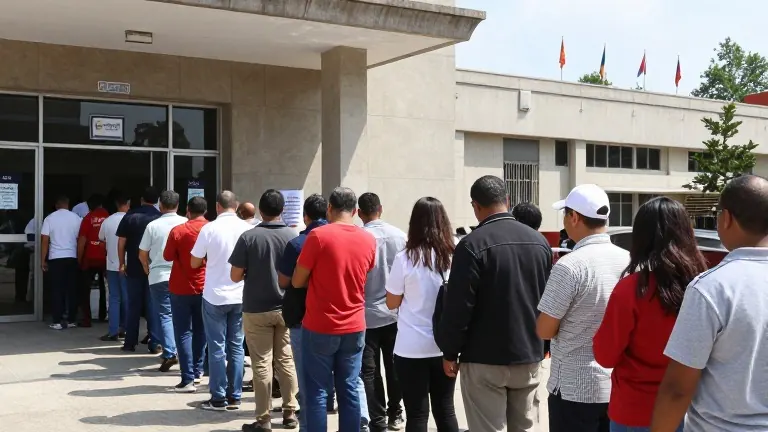
Exit polls released on Tuesday indicate that Arab-led parties in Israel are on track to secure a record 18 seats in the 120-member Knesset. The results follow a surge in participation among Palestinian citizens of Israel, which reached historic levels in the parliamentary election.
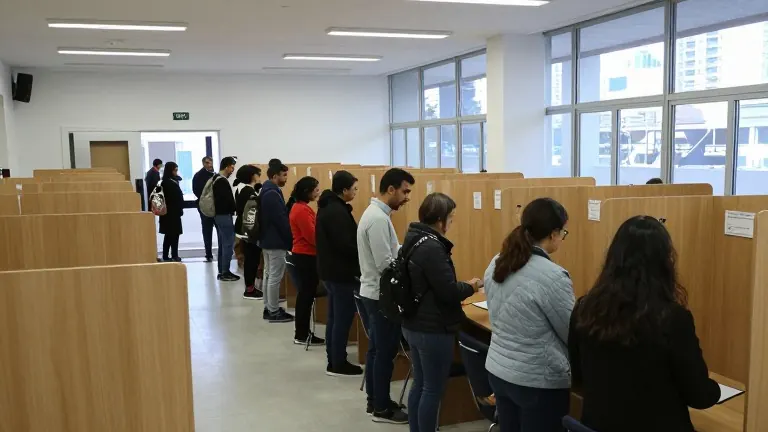
According to the Central Elections Committee, overall voter turnout for the nation stood at 77.7 percent. This figure marks the highest participation rate since 1999. Channel 12 reported that turnout among Palestinian citizens specifically hit approximately 80 percent, a level that surpasses records set in 1999.
The voting data places the opposition bloc led by Gadi Eisenkot’s Yashar party in a tie with Prime Minister Benjamin Netanyahu’s Likud bloc. Both groups are projected to hold 51 seats each. Mansour Abbas, leader of the Ra'am party, stated that the current numbers suggest no government can be formed yet. He told Channel 12 that he hopes the final results will allow the anti-Netanyahu bloc to reach the 61 seats necessary to rule.
Abbas noted that Ra'am currently holds five Knesset seats and previously joined the governing coalition between 2021 and 2022. He said both major blocs contacted his party before and after the vote. Alon Pinkas, a former Israeli ambassador, warned that forming a government could be difficult for Eisenkot’s faction. Pinkas observed that the party promised not to build coalitions with Arab groups during the campaign. He stated that Arabs cannot be excluded from power only to be included when their votes are needed.
Netanyahu’s camp made final efforts on Tuesday to mobilize supporters, citing the high Arab turnout. Witnesses described cars driving through Jerusalem with Likud flags, playing the Islamic call to prayer to urge voters to act. Netanyahu posted images on social media showing long lines in Arab communities. He warned that without immediate action, Israel could end up with a government led by Mansour Abbas and Ahmad Tibi.
Nour Odeh of Al Jazeera described the election from Ramallah as an existential moment for Palestinian Israelis. She noted that the record turnout included voters who typically boycott elections. These individuals participated despite longstanding doubts about the impact of their votes on systemic issues. Odeh pointed out that the Knesset has passed over 100 laws that discriminate against Palestinian citizens. These groups also face disparities in receiving state funds.
Palestinian citizens constitute roughly 21 percent of Israel’s population of 10 million. Historically, their voting rates have lagged behind those of Jewish Israelis. The 2026 election data reflects a shift in that trend, with participation rates breaking previous benchmarks for the demographic.