Judge may delay ruling on California ballot purge
A federal judge expressed doubt about a demand to set aside 20,000 ballots, potentially leaving the decision pending until after the midterms.
By Jessica Abebe ·
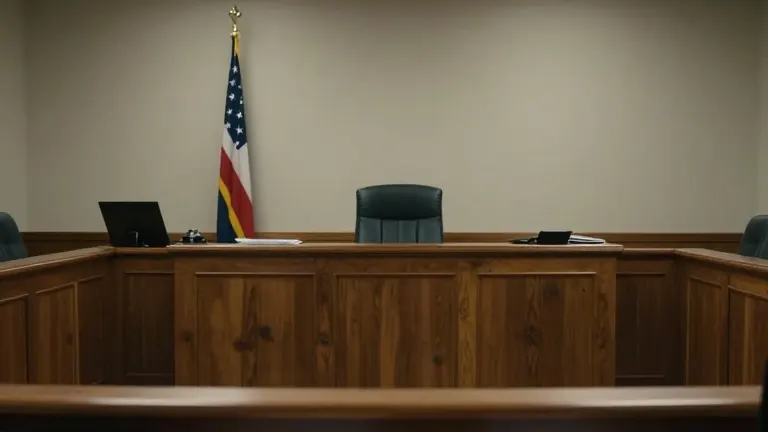
A federal judge indicated on Tuesday that he is likely to delay his final decision on a controversial ballot purge until after the midterm election. U.S. District Judge David O. Carter told the courtroom he is inclined to appoint a special master to review evidence, a process that would extend the timeline beyond the voting date.
The case centers on a Trump administration demand that California officials set aside 20,000 ballots allegedly mailed to noncitizens. Carter, an appointee of President Bill Clinton, voiced skepticism about the plan. He stated that some of the individuals flagged are likely valid voters, and he expressed concern that the process could disenfranchise them.
The judge said he did not want to issue a ruling based solely on evidence submitted by the federal government the night before the hearing. He described the last-minute submission as a factor in his decision to seek further review. Carter also signaled that he would order federal authorities to stop threatening election officials with criminal charges if they did not comply with the administration's demands.
The dispute began earlier this month when the administration sued California for failing to meet a 48-hour deadline to segregate the ballots. The government sent letters on Friday threatening officials with prosecution if they allowed suspected noncitizens to vote. Carter said the court believed it would be wise for these threats to cease immediately.
Bill Essayli, the first assistant U.S. attorney in Los Angeles, argued that the state must act to prevent illegal voting. He acknowledged that the list of 20,000 people might contain citizens but claimed the risk of noncitizens voting was too great. He asked the state how many illegal votes were acceptable, stating that the state has no right to count ballots cast by noncitizens.
California officials countered that the demand was an illegal interference in a state-run election. Anne Bellows, a deputy attorney general for the state, said the administration was stripping voting rights from thousands of people until proven otherwise. She noted that officials were busy overseeing the election and could not easily halt the process.
State and county officials also challenged the methodology used to identify the voters. Los Angeles County officials said a sample of 200 names from the federal list suggested many were likely citizens who had not previously voted. Federal investigators re-reviewed those 200 names and found only four were citizens. Essayli maintained that the government stands by the reliability of its data.
Carter pointed out that federal prosecutors recently charged 28 green card holders for allegedly voting in violation of noncitizen laws. He suggested that if illegal voting is widespread, prosecutors can find and charge individuals without needing to block legal voters' ballots. He told Essayli that if the problem is large, the government should go out and indict.
The hearing followed a decision by the 9th U.S. Circuit Court of Appeals, which rejected an emergency appeal by the Trump administration. Two judges on the panel said the government's claim of urgency was self-constructed because it had known about the potential issue since July. Judge Mark Bennett, a Trump appointee, wrote that he had serious doubts about the executive branch's power to intervene in state elections. Judge Patrick Bumatay dissented, arguing that federal law requires states to keep likely noncitizen ballots separate.
Essayli stated after the hearing that the state could resolve the issue immediately. He noted that in smaller races, the difference between candidates can be just tens or hundreds of votes, making the status of these 20,000 ballots potentially decisive.