Democrats Flip Seven Senate Seats and Take Control of Congress
Midnight voting tallies show a historic shift in power with over 124 million ballots cast, setting the stage for a January session of intensified oversight.
By Jessica Abebe ·

More than 124 million Americans voted in Tuesday’s midterm elections, a total that breaks the previous record of nearly 119 million set in 2018. The University of Florida Election Lab reported the high turnout as counting continued into Wednesday morning. This surge in participation coincided with a major shift in the balance of power in Washington.
Democrats secured control of both the House and the Senate. The party flipped seven Senate seats and dozens of House districts previously held by Republicans. These gains extended into states that have favored Republicans for years, including surprising victories in Texas and South Carolina. As of Wednesday, the Senate races in Mississippi and Alaska remained too close to call.
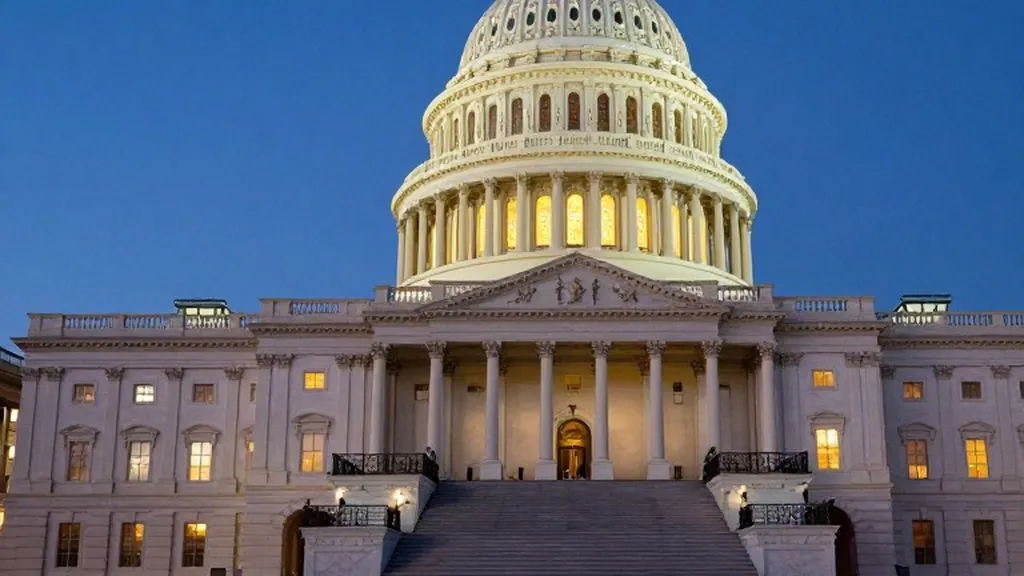
The new Democratic majorities take office in January. This change grants the party’s leaders greater authority to investigate the current administration, challenge legislative proposals, and block presidential nominees. The shift creates a direct check on the executive branch for the remainder of the term.
President Donald Trump reacted to the results with mixed messaging. In an election night interview with Fox News, he credited Democrats for their hard work. In a separate phone interview with Politico, he argued that Republicans struggled to turn out voters because he was not on the ballot. He also posted an image of a red hat with the word VETO on it, emphasizing his power to reject legislation from a Democratic Congress.
Despite the losses, Trump expressed a willingness to negotiate. He left room for potential agreements between the two parties, signaling that the coming months may involve both partisan battles and legislative deals.
Democrats now face internal votes to select their new leadership. Senator Chuck Schumer of New York and Representative Hakeem Jeffries of New York currently lead their respective chambers. Both need support from their party colleagues to retain those roles. Jeffries must win a vote of the full House to become speaker when the new Congress convenes on January 3. If elected, he would become the first Black speaker in U.S. history.
Former House Speaker Nancy Pelosi endorsed Jeffries for the top House job. She praised his leadership following the Democratic victory. The final confirmation of these leaders will occur as the new Congress prepares to begin its session in the new year.