Apple Raises iPhone Duo Production Target to 14 Million Units Amid Demand Surge
The tech giant has significantly increased its first-year shipment forecast for its new folding smartphone after supply chain sources confirmed a major ramp-up in manufacturing.
By Nadia Singh ·
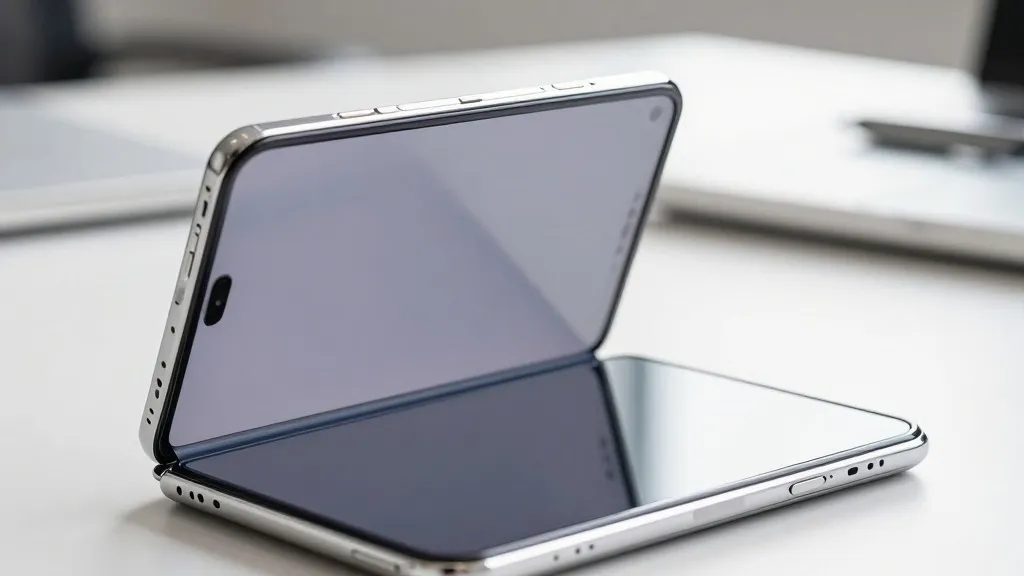
Apple has reportedly increased its production orders for the iPhone Duo by more than 40 percent, a move driven by what the company characterized as extraordinary pre-order demand. This significant adjustment in manufacturing volume signals a strong initial reception for the device, which marks the company's first foray into the folding smartphone market.
The need for the production boost became apparent almost immediately after sales began. When pre-orders opened on Friday, customers quickly noticed that delivery estimates were extending, with some showing dates that reached into late January. At the time, it was difficult to determine if these delays were caused by insufficient supply or simply the volume of interest. However, the latest supply chain reports indicate that high demand was the primary factor.
In an effort to manage the rush and limit the impact of scalpers, Apple restricted purchases to a maximum of two units per customer. While the initial shipping dates were extended, many early buyers have since received notifications that their estimated delivery times have moved earlier. This shift in logistics aligns with reports that the company is actively ramping up its manufacturing output to meet consumer expectations.
According to a report from DigiTimes, which cites sources within the supply chain, Apple’s strategy is based on the expectation that strong demand will persist. Consequently, the company has raised its shipment targets for the first twelve months from 9.7 million units to 14 million units. This represents a substantial increase in the volume of devices planned for release in the coming year.
Despite the hardware success, early adopters are facing some software challenges. Third-party applications are not yet fully optimized for the new form factor, which has been a point of discussion among users. Apple has stated that the situation is improving rapidly as developers integrate support for the device. Initial reviews, based on a week of usage, have consistently highlighted app support as a key area of focus for the current version of the software.
Another notable aspect of the iPhone Duo, as noted in early reviews, is the inclusion of Touch ID rather than the facial recognition system used in previous models. This design choice has drawn attention, but the company appears to be already considering future refinements. Recent reports suggest that Apple is currently testing prototypes for the iPhone Duo 2 that feature Face ID, indicating a potential shift back to the biometric standard in the next iteration.
The company has used the phrase extraordinary demand frequently during recent product launches, but the specific logistics of this release have been closely monitored by analysts. The quick adjustment of shipping dates and the subsequent increase in production targets suggest that Apple is confident in the long-term viability of this new product line.
As the device enters wider distribution, the focus will remain on how quickly the software ecosystem matures. Developers are actively working on updates to ensure compatibility, and Apple continues to monitor supply chain logistics to maintain the revised shipping schedule.
Looking ahead, the next twelve months will be critical for the iPhone Duo. With the production target now set at 14 million units, the company is positioning the device as a major component of its upcoming hardware lineup. The transition from Touch ID to Face ID in future models may also influence consumer expectations and competitive dynamics in the folding phone sector.