Tourists flood Georgia as protests continue
Record visitor numbers coexist with a two-year political standoff and rising economic ties to Russia.
By Jessica Abebe ·
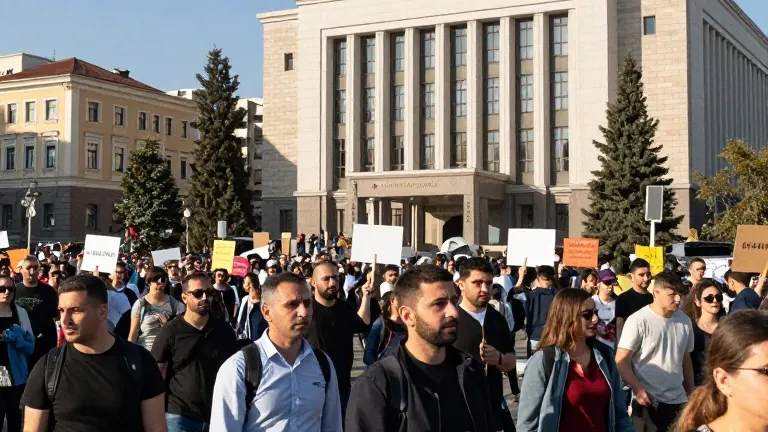
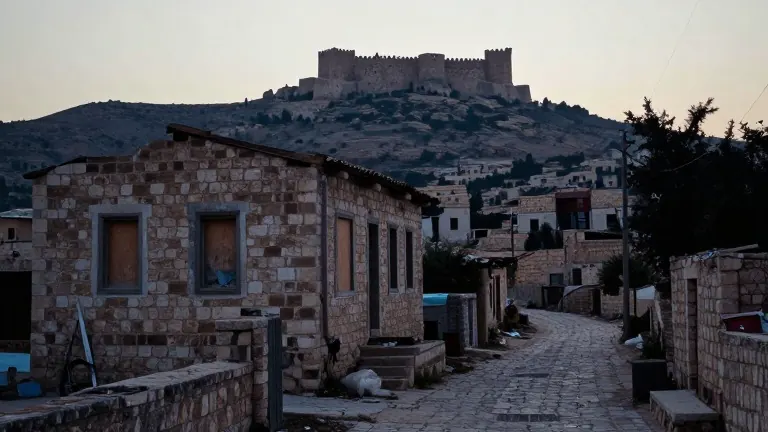
Residents of Tbilisi have walked a familiar route for two years. Every Saturday, crowds gather in the Armenian quarter's Avlabari Square. They march toward the Bridge of Love and Freedom Square, heading for parliament. The protesters chant against the government of Prime Minister Irakli Kobakhidze.
The movement began on 28 October 2024, two days after contested parliamentary elections. The crisis peaked on 28 November 2024, when officials announced that EU accession talks would not begin before the end of 2028. Georgian Dream, the ruling ultraconservative party, has governed since 2012. Critics accuse the party of moving the country closer to Moscow by halting European integration efforts.
Despite the unrest, the country welcomed a record number of visitors in 2025. The Georgian National Tourism Administration reported more than 5.5 million international tourist visits. That figure represents an 8.4% increase from 2024. It is nearly ten times the approximately 560,000 visitors who came to Georgia twenty years ago.
The influx of tourists has not gone unnoticed by locals. Many visitors come from Europe, the Middle East, and Russia. Following Russia's full-scale invasion of Ukraine in 2022, tens of thousands of Russian citizens relocated to Georgia. They opened businesses and bought homes. This surge has driven up property prices, fueling discontent among Georgians who still view Russia as an occupying power due to the 2008 war and conflicts in South Ossetia and Abkhazia.
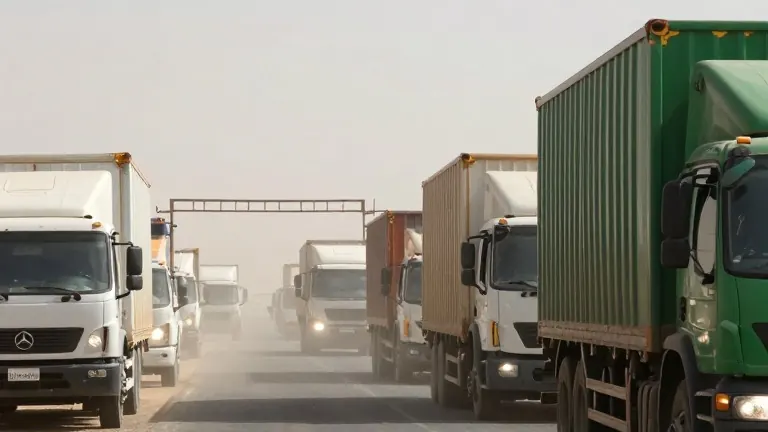
The economy shows mixed signals. Gross domestic product rose by 7.5% in 2025, marking five consecutive years of expansion. However, the country still faces unemployment, low wages, and rural depopulation. Russia remains a key economic partner through trade, energy imports, and remittances. This dependence exists even though diplomatic relations were severed after the 2008 conflict.
The political standoff has persisted for two years. The EU has recently criticized the Georgian government's record on the rule of law. The country, home to fewer than 4 million people, sits between Russia and Turkey. Its future remains tied to its domestic political crisis and its geopolitical position.
Bidzina Ivanishvili, the billionaire founder of Georgian Dream, continues to influence the political landscape. He served as prime minister from 2012 to 2013. Now in his 70s, he made his fortune in Russia during the 1990s. The party he founded controls the government that faces the ongoing Saturday marches in Tbilisi.