Tinto Brass, Director of Caligula, Dies in Rome at 93
The Italian filmmaker, known for his erotic cinema and the 1979 Roman epic, passed away on Wednesday after a career spanning avant-garde and mainstream film.
By Jessica Abebe ·
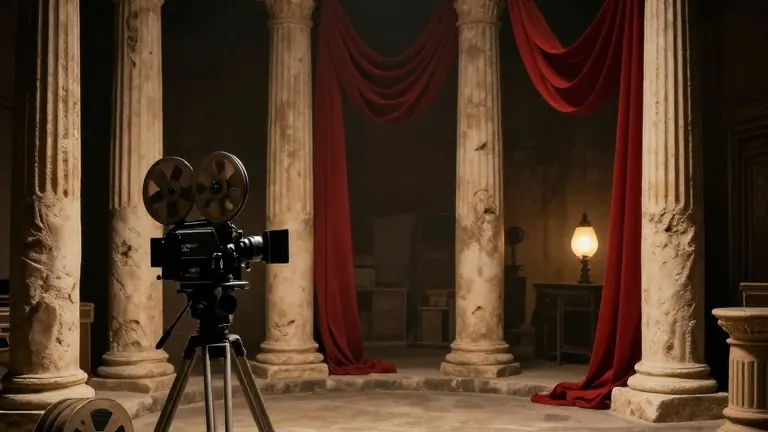
Tinto Brass, the Italian director responsible for the X-rated Roman Empire epic Caligula, died in Rome on Wednesday. His family announced the death of the 93-year-old filmmaker, who was best known for his work in the erotic genre.
Brass began his career in the 1960s making avant-garde films before shifting his focus to erotic cinema. His filmography in that genre includes Salon Kitty (1976), The Key (1983), Paprika (1991), All Ladies Do It (1992), Frivolous Lola (1998) and Cheeky (2000).
He directed Caligula in 1979, a film starring Malcolm McDowell as the emperor. Gore Vidal wrote the script, and Bob Guccione, the founder of Penthouse magazine, served as producer. The cast also included Helen Mirren, Peter O’Toole and John Gielgud. Critics and audiences panned the film upon its original release.
Tensions arose during production between Brass and Vidal. The director was unhappy with the final edit, which was completed after he was fired from the project. Vidal criticized Brass for rewriting his script. Despite the initial controversy, the film developed a cult following. A 178-minute version, described as the ultimate cut, was screened at the Cannes Film Festival in 2023.
Born Giovanni Brass in Milan on March 26, 1933, and raised in Venice, he earned a law degree. He worked as an archivist at the Cinémathèque Française in Paris and assisted directors Roberto Rossellini and Alberto Cavalcanti. His feature directorial debut, Who Works Is Lost, premiered at the 1963 Venice International Film Festival. He later directed the Western Yankee (1966) and the murder mystery I Am What I Am (1967). The latter film, starring Jean-Louis Trintignant, received a 4K restoration and a screening at Venice in September.
In the 1970s, Brass won the Golden Bear at the Berlin International Film Festival for his surrealist comedy The Howl, which he also wrote. He is survived by his second wife, Caterina, whom he married in 2017, and his children Bonifacio and Beatrice. His first wife, Carla Cipriani, was the daughter of Giuseppe Cipriani, the founder of Harry’s Bar. They were married from 1957 until her death in 2006.