Senate Blocks Permanent Daylight Saving Bill Despite Trump Push
Senators from northern states cite late winter sunrises as they hold up legislation that would end the twice-yearly clock change.
By Jessica Abebe ·
The Senate is expected to delay action on a House-passed bill that would make daylight saving time permanent across the United States. Lawmakers plan to defer the vote until after the Nov. 3 midterm elections, effectively stalling the measure before the end of the year. This decision defies President Donald Trump, who has actively lobbied for the change and criticized senators for inaction.
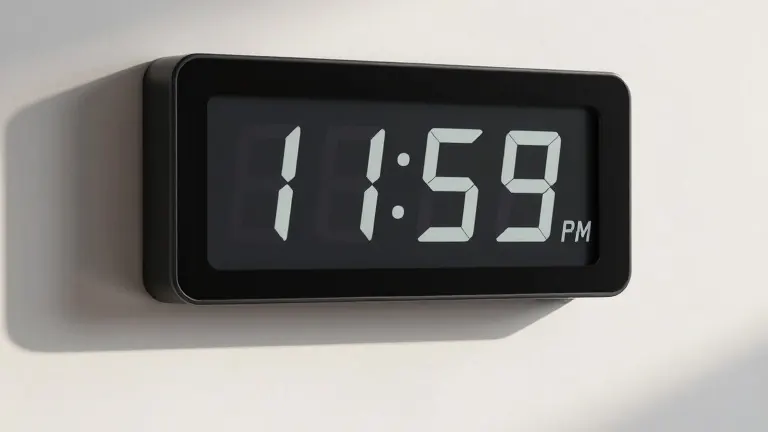
The shift would eliminate the bi-annual practice of turning clocks back in the fall and forward in the spring. Proponents argue that permanent daylight saving time provides more light during the afternoon, which aligns with peak activity hours for many workers. Opponents counter that the change would delay winter sunrises, leaving some regions in darkness until late morning.
Senator Tom Cotton of Arkansas, a member of Republican leadership, has emerged as the most vocal critic of the bill. He noted that Congress has previously enacted permanent daylight saving time as a trial, only to repeal it after citizens complained about dark mornings. Cotton stated that he shares the general dislike for changing clocks but believes the historical evidence supports the current system.
The president has intensified his pressure on the Senate, posting his personal cellphone number on social media to demand that Cotton move the legislation forward. Trump described the current system as inefficient and argued that afternoon light is superior. He also cited the inconvenience of manual clock adjustments and the potential safety risks associated with working in the dark.
Other Republican senators, particularly those representing northern states, have joined the opposition. Senator Mike Rounds of South Dakota warned that the change would send children to school in the dark. Senator Todd Young of Indiana described the House bill as a non-starter for Senate leadership. Senator Bernie Moreno of Ohio was more direct, stating that the bill has no chance of passing in the near term.
Senator Rick Scott of Florida has championed the effort to make the change permanent. He previously signed state-level legislation in 2018 to allow Florida to remain on daylight saving time year-round, subject to federal approval. Scott argued that the current practice is an outdated annoyance that offers little benefit to families.
Several Democrats support the bill. Senator Ed Markey of Massachusetts described the clock change as a ritual that negatively impacts health and the economy. He expressed a desire to end early winter sunsets. The American Medical Association and the American Academy of Sleep Medicine also support a single time standard.
Public opinion surveys indicate widespread dissatisfaction with the current system. An AP-NORC poll conducted last year found that only 12% of American adults support the existing bi-annual change, while nearly half oppose it. The proposed legislation seeks to resolve this by fixing the national clock on daylight saving time.
A similar experiment took place in 1973, when Congress made daylight saving time permanent during an energy crisis. The measure was repealed by October of that year after public support declined, largely due to concerns about dark mornings. The Senate’s current hesitation mirrors the historical pattern of enacting the change and then reversing it after public pushback.
President Trump has framed the issue as a matter of efficiency and quality of life. He has highlighted his own interest in golf and the availability of daylight for outdoor activities. Despite his continued advocacy on social media, Senate leaders have not scheduled a vote on the House bill, signaling that the measure will not become law in the coming weeks.