Measure LA Could End 150-Year-Old L.A. Infrastructure Board
Voters decide Tuesday on a charter amendment that lets the City Council disband the five-member Board of Public Works, a move supporters call efficient and critics call risky.
By Jessica Abebe ·
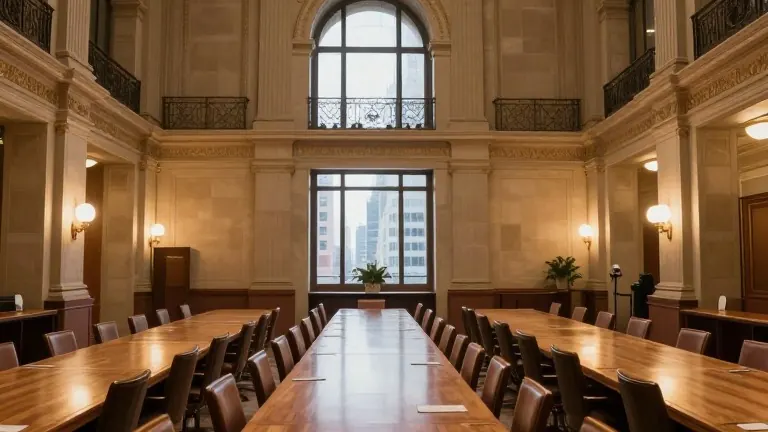
Los Angeles voters will decide Tuesday whether to grant the City Council the power to disband the Board of Public Works, a five-member body that has managed city infrastructure since 1905. The provision is part of Measure LA, a charter amendment that includes half a dozen other governance changes. The board currently oversees streets, sidewalks, sewers, sanitation, and street lighting. It employs more than 5,500 people across various city bureaus. Each of the five board members is a full-time city employee earning slightly less than $200,000 a year. They are appointed by the mayor and serve as a collective general manager for these departments. Supporters argue that eliminating the board would streamline decision-making and speed up repairs for deteriorating infrastructure. They note that disbanding the board would not be automatic; it would require a two-thirds vote from the 15-member City Council. Councilmember Katy Yaroslavsky, a Measure LA supporter, said the current system is fragmented and lacks clear authority. She pointed to a long-running intersection repair project on La Cienega Boulevard where she struggled to get information. "When you have one person in charge, you know who you can hold accountable," Yaroslavsky said. Councilmember Bob Blumenfield agreed, citing a "silo effect" that slows progress when multiple bureaus are involved. He argued that a single director could better coordinate work across departments. Opponents warn that concentrating authority in one person increases the risk of corruption. Councilmember Monica Rodriguez, who served on the board from 2013 to 2016, said the change would give way to more corruption than transparency. She cited the 2022 federal prison sentence of San Francisco’s former director of public works for a kickback and bribery scheme. Former board members also favor the current multi-member structure. Valerie Lynne Shaw, who served from 1996 to 2013, described the board as a coordinating mechanism that allows for regular public interaction. She stated that power in the hands of many serves the city better than power in the hands of one. Critics question why the board elimination is bundled with less controversial proposals, such as a two-year budget cycle and a capital infrastructure plan. A former board member who asked not to be identified said the provision should have been its own item to ensure voters read it carefully. Rodriguez called the bundling a tactic to make voters "swallow the poison." If Measure LA passes, the council would need 10 votes to eliminate the board, or 12 if the mayor vetoes the move. The board continues to meet three times a week in City Hall, handling items like tree removals and storm drain budgets.
image_prompt
a photorealistic view of a high-ceilinged, ornate meeting room in a city hall, featuring long wooden tables and rows of chairs under warm ambient lighting, with a view of a large window overlooking a city skyline in the background, no people present, no text or logos visible.
image_prompt_note