
Horticultural Oils: Winter and Summer Formulations Differ in Viscosity
Refined petroleum and plant-based oils smother pests through physical coating, with application timing dictated by temperature and plant dormancy status.
By Nadia Singh ·
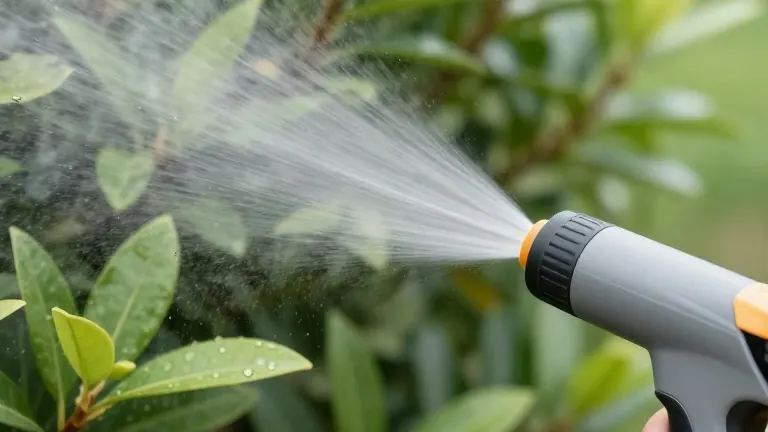
Horticultural oil functions as a physical control agent rather than a chemical pesticide.
The substance, which is typically petroleum-based but can also consist of cottonseed, soybean, or neem oil, works by coating insects, eggs, and fungal spores. This coating smothers the target organisms and disrupts insect exoskeletons. Because the mechanism is mechanical, pests do not develop resistance to the treatment. The oil also deters feeding by covering the host plant surface.
Two distinct formulations exist for different seasonal needs. Winter oil, also known as dormant oil, possesses a high viscosity that allows it to remain on the plant for extended periods. This heavier formulation should only be applied during late winter or very early spring when ambient temperatures are cool but not freezing. Application must occur before bud break to prevent the heavy oil from damaging tender new growth. Winter oil is particularly effective against hard-bodied scales and severe infestations because it stays in place longer.
Summer oil, or foliar oil, is a lighter formulation with lower viscosity that evaporates more quickly. This type is safe for use during active growth periods but requires application when temperatures remain below 85 degrees Fahrenheit to avoid burning leaves. Summer oil targets active soft-body insects such as aphids, mites, and spider mites, and it helps prevent powdery mildew by inhibiting spore attachment.
Preparation is required before treating a severe infestation. Growers should remove all infested plant material and discard it in regular trash rather than compost. Raking up fallen leaves and pruning perennials hard before treatment helps the oil reach hidden pests. For winter application, daytime temperatures should fall below 85 degrees Fahrenheit while nighttime temperatures stay above 40 degrees Fahrenheit.
Monitoring is essential during the growing season to catch returning pests early. If insects reappear in spring or summer, applying summer oil can limit the scope of the problem.