California Voters Reject Proposal 39, Ending 2026 Voter ID Mandate
The measure, which would have required government-issued photo identification for in-person voting and identity verification for mail ballots, was defeated in the November 3 election.
By Nadia Singh ·
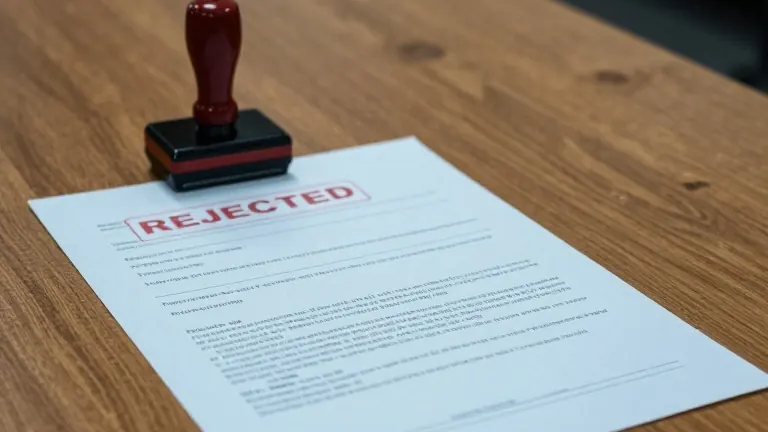
California voters turned down Proposal 39 in the November 3 general election, according to NBC News projections. The measure was one of 14 initiatives placed on the state ballot for the 2026 cycle.
The proposal would have required in-person voters to present government-issued photo identification at the polling place. For those voting by mail, it would have required specific identifying information to verify their identity. The California Center for Budget and Policy Solutions analyzed the measure and noted that current registered voters would have been required to re-register with election authorities to provide this new data.
Supporters argued that strict identification rules would strengthen public trust in the state's electoral system. They cited the fact that a majority of U.S. states already require some form of identification for voting. The California Republican Party, Reform California, and businessman Richard Uihlein backed the initiative.
Opponents contended that the new requirements would create barriers for voters lacking official identification. They warned that the changes would disproportionately affect individuals with disabilities, low-income residents, and recent movers. Critics also raised concerns about the financial costs of implementing the new verification systems. The American Civil Liberties Union, Common Cause, the League of Women Voters, and the California Democratic Party opposed the measure.
The rejection of Proposal 39 maintains the existing identification standards for California elections. No further action is scheduled regarding this specific ballot measure.