Altman: RAM belongs in data centers
OpenAI’s CEO argues that decentralized memory usage wastes scarce global supply during the current industry shortage.
By Jessica Abebe ·
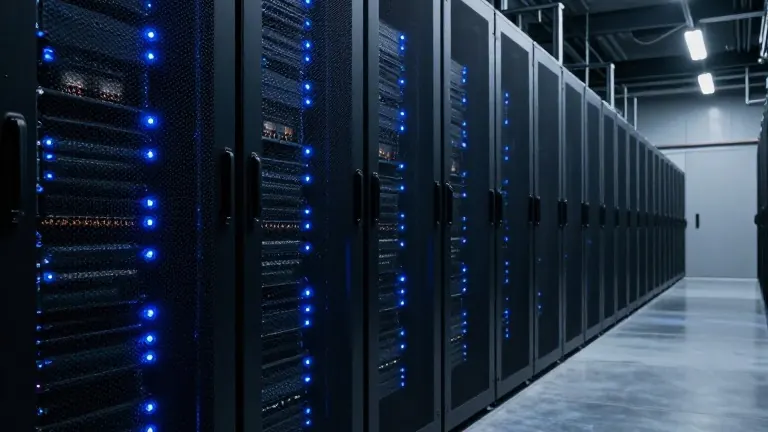
The ongoing shortage of computer memory is raising prices for laptops and phones, a trend that OpenAI CEO Sam Altman says is driven by a mismatch in global supply allocation. Speaking on the Cheeky Pint podcast on October 30, Altman addressed the scarcity of RAM, a critical component for both cloud infrastructure and personal devices.
Altman argued that the current model of distributing limited memory across individual computers is inefficient. He noted that many users prefer to run AI models locally on their own hardware, assuming that open-source models will reduce the need for centralized data centers. He described this intuition as the opposite of what is required in a supply-constrained environment.
“It’s quite terrible to have everybody have a bunch of the world’s limited supply of DRAM sitting in their own computer and being used five percent of the time,” Altman said. He emphasized that maximum utilization in the cloud is necessary to manage the restricted availability of memory chips globally.
The CEO’s comments align with the current market dynamics where major buyers are securing long-term contracts. Memory manufacturers Samsung and SK Hynix have reserved much of their future output for cloud service operators and large projects like OpenAI’s Stargate. These agreements prioritize high-volume data center needs over the smaller, more fragmented demands of the consumer market.
As a result, the billions of dollars allocated for cloud chips are tightening the supply available for retail products. This shift explains why the cost of memory is rising for everyday technology, from new MacBook Pro models to gaming PCs, as the industry prioritizes the massive computational demands of artificial intelligence over local processing power.